Herzfeld was born in Celle, Province of Hanover. He studied architecture in Munich and Berlin, while also taking classes in Assyriology, ancient history and art history. 1903–05 he was assistant to Walter Andrae in the acclaimed excavations of Assur, and later traveled widely in Iraq at the beginning of the twentieth century. He surveyed and documented many historical sites in Turkey, Syria, Persia and most importantly in Iraq (e.g. Baghdad, Ctesiphon). At Samarra he carried out the first excavations of an Islamic period site in 1911–13. After military service during World War I he was appointed full professor of “Landes- und Altertumskunde des Orients” (approximately: Studies of the Ancient and modern Near East) in Berlin in 1920.
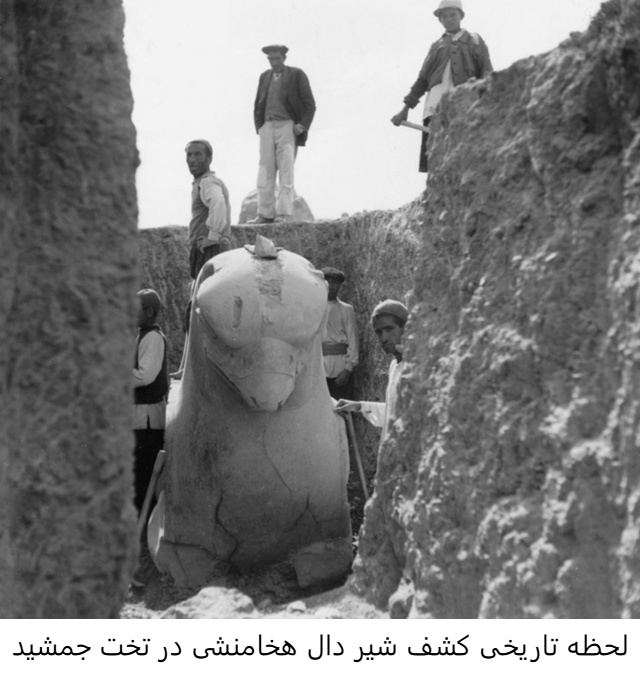
This was the first professorship for Near/Middle Eastern archaeology in the world. 1923–25 he started explorations in Persia and described many of the countries’ most important ruins for the first time. In 1925 he moved to Tehran and stayed there most of the time until 1934. He was instrumental in creating a Persian law of antiquities and excavated in the Achaemenid capitals Pasargadae and Persepolis.