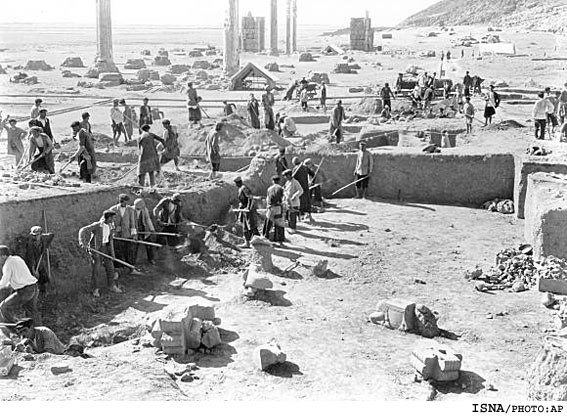
The bas-reliefs of Persepolis are famous for their exceptional detail and elegance. They depict scenes of friendship, diplomacy, and respect rather than war or domination. This focus on harmony reflects the Achaemenid approach to governance, which emphasized cultural tolerance and cooperation among diverse peoples. In 330 BCE, Alexander the Great looted and burned Persepolis, marking the decline of the Achaemenid Empire. Despite the destruction, the ruins remain remarkably well-preserved and continue to inspire awe.
Shiraz serves as the gateway to Persepolis. Travelers often combine their visit with nearby sites such as Naqsh-e Rostam (the royal necropolis) and Naqsh-e Rajab. The best time to visit is in spring or autumn, when the weather is mild and the landscape surrounding the ruins is especially beautiful. Persepolis is far more than a ruin; it is a cultural symbol deeply rooted in identity. To this day, view it as a reminder of their ancestors’ achievements in diplomacy, architecture, and civilization. The Achaemenid Empire, once stretching from the Indus Valley to Egypt and Thrace, governed millions through a system that encouraged cultural respect and administrative order. Persepolis embodies this philosophy.