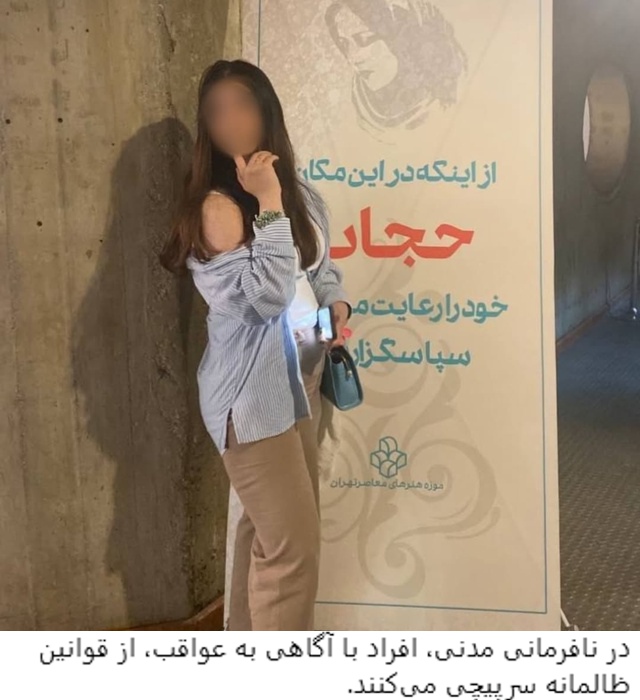
Despite societal pressures and systemic barriers, women have embraced education as a tool for empowerment. Women now make up over 50% of university students, defying traditional gender roles and positioning themselves as leaders in various fields. Their pursuit of knowledge serves as a quiet yet powerful form of resistance to patriarchal norms. The government employs extensive surveillance and censorship to suppress dissent. Women engaging in civil disobedience are often monitored, and their social media posts or videos can lead to arrests. Despite these risks, many continue to share their stories online, illustrating their commitment to change.
As the movement for women’s rights grows, activists and their allies continue to develop innovative strategies to push for change, often leveraging technology, community organization, and international solidarity. Grassroots organizing is essential for fostering a sense of community among women resisting systemic oppression. Local networks provide emotional and logistical support, helping women share resources, plan protests, and strategize around challenges. These networks often operate under the radar, ensuring their safety while maintaining momentum.