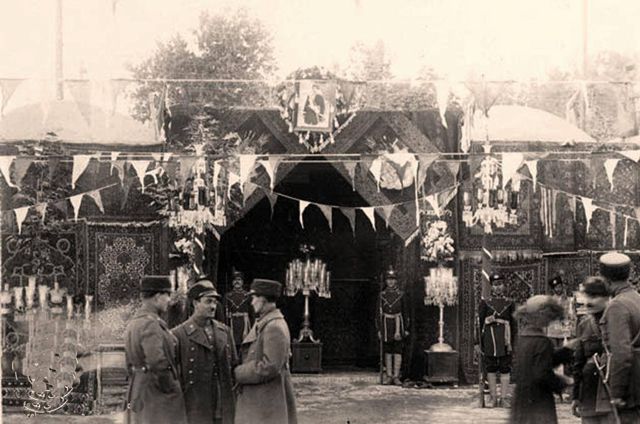
A coronation is a Christian ceremony during which the new monarch is crowned as part of a Eucharist, or Holy Communion service, at which Christians commemorate Jesus and his disciples at the Last Supper. The word coronation comes from the Latin ‘corona’, meaning a crown, but monarchs are described as being crowned, rather than coronated. However the ceremony itself is about much more than that moment. The crowning itself is near the end of the ceremony which includes the monarch making promises to God and the people they serve, a sacred blessing known as anointing and the receiving of the royal regalia. During a coronation, the words and actions are a visible representation of the invisible duty and responsibility of the monarch.
Coronations have always been seen as a special and important moment in the early part of a monarch’s reign. To understand why we have coronations, it’s important to understand what has taken place since the death of the previous monarch. Constitutionally, there is never a moment when we do not have a monarch. When the king or queen dies, their heir instantly becomes the new monarch. This is a process called accession, meaning ‘to come to’. It describes how the successor comes to the throne following a monarch’s death. At that very moment, the successor has all the status and authority that they need to be monarch.