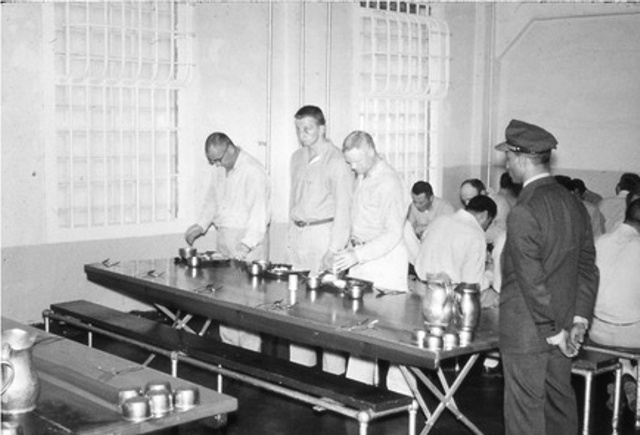
The fortress began its slow transformation into a place of punishment and isolation. One former prisoner described hearing the laughter of people across the bay in San Francisco on quiet nights, reminding him of the life he had lost. This emotional torment contributed to Alcatraz’s reputation as a prison that broke men without ever touching them. Music was another outlet. Some prisoners played instruments, including Capone, who learned to play the banjo in prison. It’s said he would sit in the shower rooms—acoustically ideal—and strum for hours, hidden from view.
By the early 20th century, Alcatraz’s role shifted again. In 1934, amid rising crime rates during the Prohibition and Great Depression eras, the U.S. Department of Justice took control of the island and converted it into a maximum-security federal penitentiary. Its purpose was clear: to hold the nation’s most dangerous and unmanageable prisoners — those who caused trouble in other prisons. Alcatraz was not intended for rehabilitation; it was built for control, discipline, and deterrence.