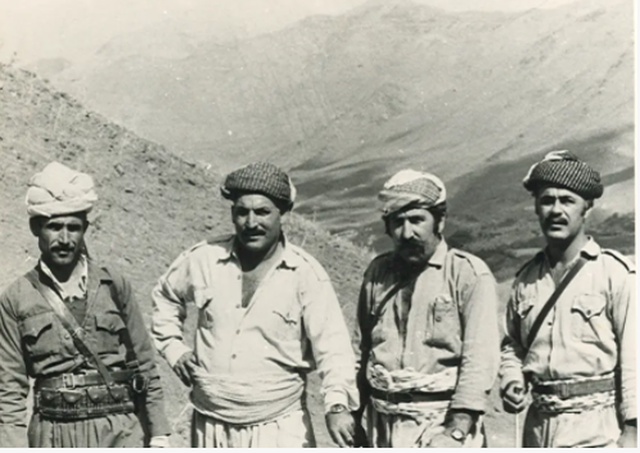
Tsafrir’s apartment north of Tel Aviv was filled with reminders of a life lived across borders – photographs with Kurdish leaders, Lebanese figures, and Mossad chiefs. Tsafrir’s career exemplified an entire generation of Israeli intelligence officers who were shaped by regional fluency, cultural familiarity, and long-term engagement rather than formal diplomacy. His work in Kurdistan in particular, remains central to understanding Israel’s pre-1979 regional strategy and its abrupt collapse with the Islamic Revolution.
Tsafrir’s career was focused on two areas of primary importance to the young state: 1) The strategy of the periphery, in which the Jewish state sought to break its isolation in the Middle East by developing relations with non-Arab states in the region – Turkey, Iran and Ethiopia, and 2) the strategy of minorities, whereby Israel sought to make common cause with other non-Arab and/or non-Muslim minority communities in the Middle East. Tsafrir’s long and varied career began with 12 years at the General Security Service (GSS), Israel’s internal security structure.