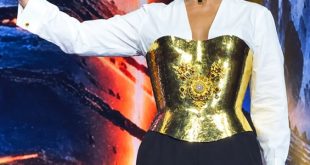
[custom_adv] Social obligations are not prerequisites for feeling great about your appearance. You can dress up simply because looking good makes you happy. But more often than not, the situations where we put a lot of care into our outfits are big events with explicit dress codes. [custom_adv] For business dinners, office wear is appropriate (provided your workplace isn’t overly casual): trousers with a refined sweater or a blouse and blazer. If you’re going to a work party straight from the office, try a sheath or a wrap dress in a dark shade, or “wear a suit and bring along a feminine blouse and evening-appropriate shoes, like in a metallic shade,” suggests Leah Ingram, an etiquette authority and the founder of giftsandetiquette.com, based in New Hope, Pennsylvania. [custom_adv] With so many different dress codes out there, it can be difficult to know what to wear, even when the type of dress requested is stated on the invitation. [custom_adv] You’ve spent months planning your big event — which leaves you with approximately two seconds to choose what to wear the day of. But your event day outfit can have a big impact on your confidence levels. Not only do you want to look the part, but your attire also has to survive all the running, climbing, and crawling (hopefully metaphorical) that you’ll do. [custom_adv] Conferences have traditionally required formal business attire. But as business attire has evolved, a more casual look is often the norm. This, however, greatly depends on your industry. For instance, a financial services conference might call for a suit and tie. But if your conference is in San Francisco, where jeans and a button-down shirt are considered formal, you might be overdressed. [custom_adv] Unless you’re hosting a Bikram (aka, hot and sweaty) yoga festival, wear your newest yoga attire. If you have the budget, consider ordering custom gear that incorporates your event logo and brand colors. Just make sure you’re comfortable — and not wearing clothes by a brand your head sponsor competes with!