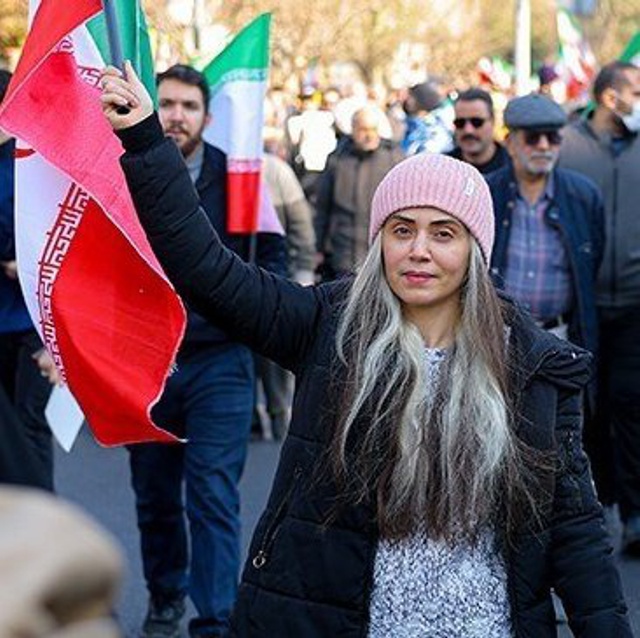
Protests take many forms. Some are quiet and symbolic: candlelight vigils, sit-ins, or moments of silence. Others are loud and kinetic: marches, chants, and rallies. In the digital age, protest also happens online through petitions, hashtags, and coordinated campaigns. While tactics differ, effective movements often share key traits: clear goals, disciplined organization, inclusive leadership, and a commitment to nonviolent action that broadens public support.
Critics sometimes argue that protests disrupt daily life or polarize communities. Disruption, however, has often been the very mechanism that forces attention to problems long ignored. The challenge for movements is to balance urgency with responsibility—protecting the safety of participants and bystanders, grounding demands in credible evidence, and remaining open to dialogue.