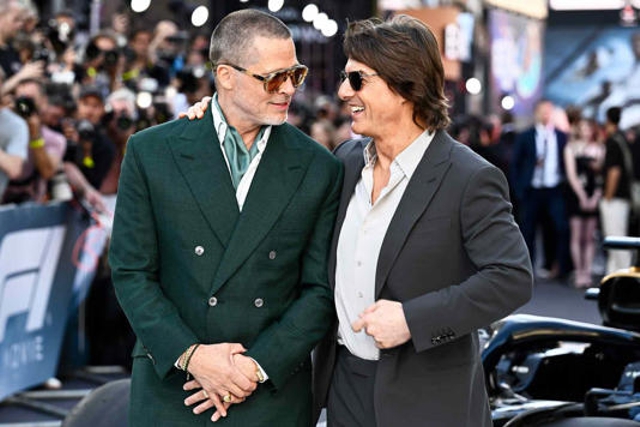
This video of Brad Pitt fighting Tom Cruise and angry about killing Epstein looks completely real. It’s not. It’s AI. ByteDance’s Seedance 2.0 generates this in minutes. Think about what this means for the next election. pic.twitter.com/3FKnpfLtv9
— Alex Grankin (@grankin) February 11, 2026
An Oscar-nominated Irish director, Ruairí Robinson, ignited debate this week after posting an AI-generated video that convincingly depicts Tom Cruise and Brad Pitt locked in a dramatic fistfight atop a Los Angeles freeway overpass. The 15-second clip, which Robinson said was created from a simple two-line prompt, quickly went viral and has already surpassed 1.4 million views across social media platforms.
The video was produced using ByteDance’s newly released AI tool, Seedance 2.0. ByteDance, which also owns TikTok, has positioned the software as an advanced video-generation model. Robinson later followed up with a second AI-crafted clip featuring the same digitally recreated actors — famously co-stars in Interview with the Vampire — this time exchanging fabricated dialogue during another staged confrontation. The sequel video drew even greater attention, racking up more than 3 million views.
In the second clip, the AI-generated versions of the actors deliver fictional and inflammatory lines referencing Jeffrey Epstein and alleged covert operations, with voices that closely mimic the real performers. The realism of both the visuals and audio has intensified concerns about how easily artificial intelligence can replicate recognizable faces and voices without consent, blurring the line between satire, experimentation, and potential misinformation.
The backlash was swift. SAG-AFTRA, which represents roughly 170,000 performers worldwide, issued a strong condemnation of ByteDance’s new technology. The union accused the company of enabling unauthorized use of actors’ likenesses and voices, calling it a violation of legal, ethical, and professional standards. According to the organization, tools like Seedance 2.0 threaten performers’ livelihoods and highlight the urgent need for clearer safeguards and accountability in AI development.
An Oscar-nominated Irish director, Ruairí Robinson, ignited debate this week after posting an AI-generated video that convincingly depicts Tom Cruise and Brad Pitt locked in a dramatic fistfight atop a Los Angeles freeway overpass. The 15-second clip, which Robinson said was created from a simple two-line prompt, quickly went viral and has already surpassed 1.4 million views across social media platforms.
The video was produced using ByteDance’s newly released AI tool, Seedance 2.0. ByteDance, which also owns TikTok, has positioned the software as an advanced video-generation model. Robinson later followed up with a second AI-crafted clip featuring the same digitally recreated actors — famously co-stars in Interview with the Vampire — this time exchanging fabricated dialogue during another staged confrontation. The sequel video drew even greater attention, racking up more than 3 million views.
In the second clip, the AI-generated versions of the actors deliver fictional and inflammatory lines referencing Jeffrey Epstein and alleged covert operations, with voices that closely mimic the real performers. The realism of both the visuals and audio has intensified concerns about how easily artificial intelligence can replicate recognizable faces and voices without consent, blurring the line between satire, experimentation, and potential misinformation.
The backlash was swift. SAG-AFTRA, which represents roughly 170,000 performers worldwide, issued a strong condemnation of ByteDance’s new technology. The union accused the company of enabling unauthorized use of actors’ likenesses and voices, calling it a violation of legal, ethical, and professional standards. According to the organization, tools like Seedance 2.0 threaten performers’ livelihoods and highlight the urgent need for clearer safeguards and accountability in AI development.