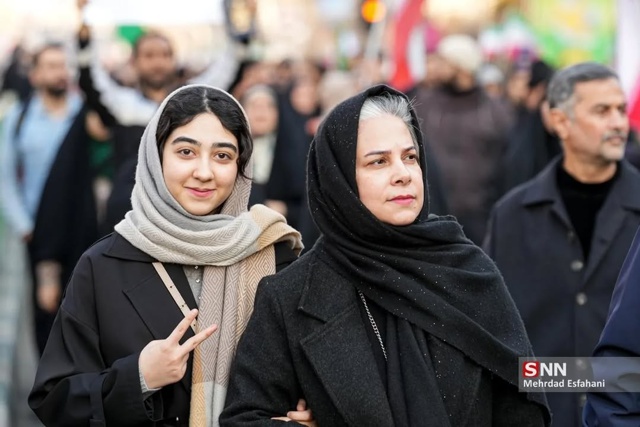
Protest is one of the oldest and most visible forms of civic expression. When people gather, march, speak out, or organize collectively, they are exercising a fundamental right: to voice dissent and demand change. Across history, protests have challenged unjust laws, exposed inequality, and reshaped societies—from labor movements that secured safer working conditions to civil rights campaigns that expanded freedom and dignity.
At its core, protest is about participation. It allows individuals who may feel unheard in formal political processes to assert their experiences publicly. By occupying shared spaces—streets, campuses, workplaces, and digital platforms—protesters transform private grievances into collective concerns. This visibility can pressure institutions to respond, shift public opinion, and keep issues on the agenda.