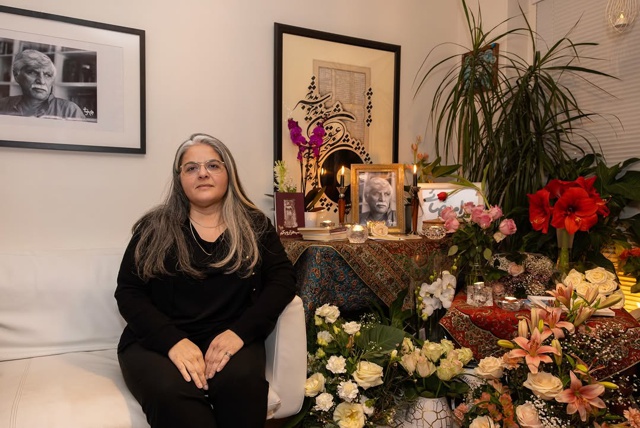
For members of the diaspora, the tribute carried an especially emotional significance. Beyzaie’s works have long served as a source of cultural memory and intellectual continuity, particularly for those living outside. Honoring him in Germany created a space for reflection on identity, displacement, and the role of art in preserving collective history. It also acknowledged the challenges he has faced throughout his career and the perseverance that has allowed his voice to remain influential despite political, institutional, and social constraints.
More broadly, the celebration demonstrated how art rooted in a specific language and tradition can address universal human concerns. Beyzaie’s exploration of power, gender, violence, and moral responsibility resonates far beyond Iranian society. His stories speak to fundamental questions about who we are, how history shapes us, and how individuals confront injustice and silence. In this sense, the tribute was not merely a commemoration of a single artist, but a reaffirmation of art as a form of ethical and cultural dialogue.