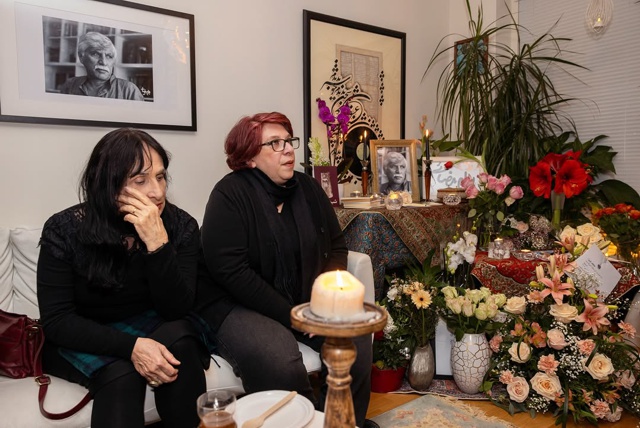
Beyond the formal programs and academic discussions, the tribute also created an atmosphere of shared reflection and creative exchange. Informal conversations among participants revealed how deeply Beyzaie’s work has shaped personal artistic journeys. Younger filmmakers and theater practitioners spoke of encountering his films and plays as formative experiences—works that taught them how to think critically about narrative structure, visual symbolism, and the ethical responsibilities of art. For many, the event was not only a celebration of a master, but also a rare opportunity to reconnect with a lineage of thought and aesthetics that has often been marginalized or suppressed.
One of the most striking aspects of the tribute was its emphasis on Beyzaie’s intellectual rigor. Unlike many artists whose reputation rests primarily on emotional impact or stylistic innovation, Beyzaie has always approached art as a form of research. His meticulous studies of ancient Persian drama, ritual performance, and folklore inform every aspect of his creative output. This scholarly foundation was highlighted in lectures and presentations that examined his writings on theater history and his efforts to reconstruct forgotten traditions. In doing so, the event revealed Beyzaie not only as a filmmaker and playwright, but also as a cultural historian committed to safeguarding endangered forms of knowledge.