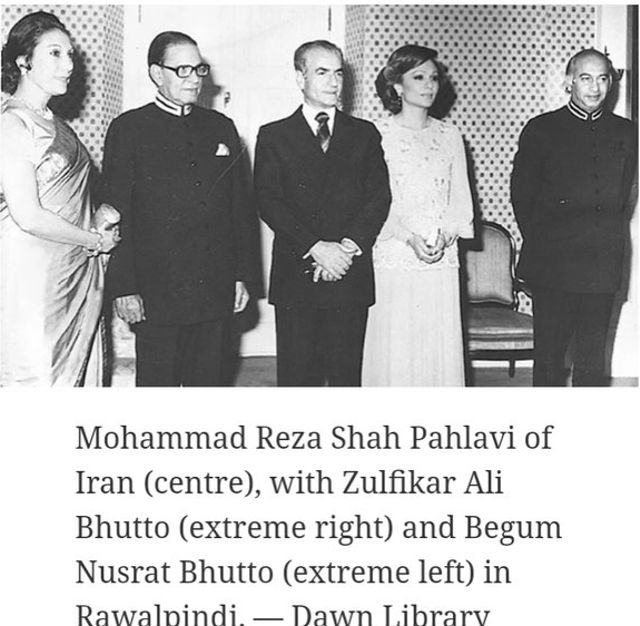
IN the backdrop of the 1971 war with India, and the United States’ arms embargo on Pakistan, Zulfikar Ali Bhutto wanted to get closer to the American leaders. In a bid, he offered the US the opportunity to establish air and naval bases in Pakistan’s Balochistan province. This offer came when had already announced a plan worth $8 billion to create a ‘blue water’ port in Chabahar, apparently to facilitate large US Navy ships. Of course, Bhutto’s move annoyed the Shah; the Americans were also aware that this meant, in effect, an agreement to supply Islamabad with arms and make Pakistan their regional military anchor.
This context may appear familiar in the ongoing politics of ports in the region where Chabahar and Gwadar are seen as two major determinants of emerging regional politico-economic alliances. But Alex Vatanka, a senior fellow at the Middle East Institute in Washington, has approached the issue in a slightly different perspective in his book, and Pakistan: Security, Diplomacy and American Influence to explain how Pakistan vied for American favour and support. However, the recent ports-related developments also reaffirm how fast geopolitical realities change, and also repeat themselves.