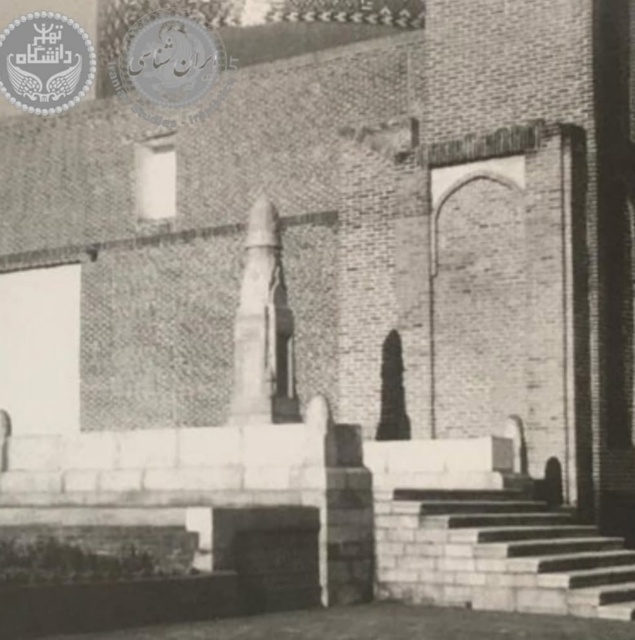
The undertaking was motivated by several converging factors: the need for structural reinforcement of the cemetery grounds due to seismic activity in the region, growing concerns regarding water damage and erosion, and academic interest in confirming the exact burial location and layout as recorded in medieval Persian texts. The process was approached with solemnity. Religious scholars, historians, archaeologists, and local authorities collaborated to ensure the dignity of the sage was preserved at every step. Prayers were recited before any work commenced, and the area was cordoned off to maintain sanctity and minimize public disruption.
Although no physical remains were disturbed more than necessary, documentation and preservation efforts have provided new insights into burial customs of the Seljuk era, as well as the artistic and architectural influences evident in the grave’s original design. Fragments of carved stone, possibly part of the original tombstone, bore faded Kufic inscriptions and floral motifs aligned with Khayyam’s time. The exhumation is not intended as a permanent disturbance but rather as a step toward restoration and reinforcement. Plans are underway for a respectful reinterment, alongside the establishment of a new protective mausoleum that will honor both the memory and the legacy of Khayyam for generations to come.