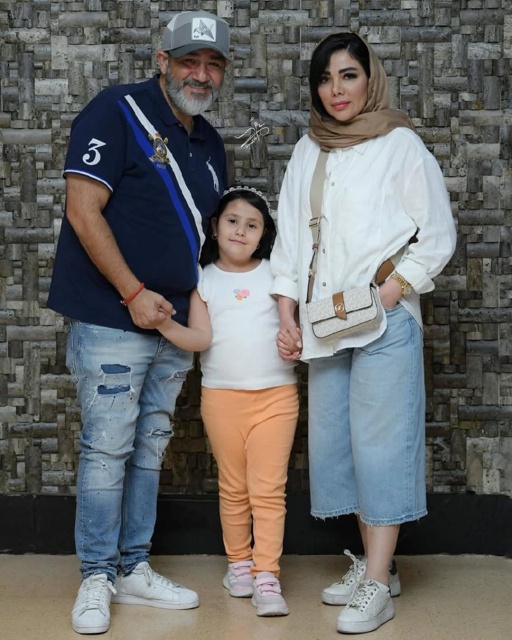
They were ordinary at first—just a pair of pants. No different from the hundreds stitched in the factory line, tagged, folded, and placed on a quiet rack beneath fluorescent lights. But fate, or perhaps fashion, had other plans. These pants would soon become something more—a subject of scrutiny, admiration, controversy, and unexpected fame. It began innocently enough: a candid photo snapped by a passerby in a bustling city plaza. The image showed a man—oblivious to the lens—wearing the pants with such confidence, such inexplicable flair, that people couldn’t look away. They were tailored yet casual, loud yet tasteful, unconventional but strangely magnetic. Social media did the rest.
Stylists debated their cut. Historians noted a resemblance to 1970s streetwear mixed with nomadic Central Asian design. Artists began sketching them into surrealist paintings. One TikToker even composed a ballad titled “The Pants That Changed My Life.” For a brief, shining moment, these pants transcended fabric and thread. They were no longer just worn—they were witnessed. And as with any cultural phenomenon, came the criticism. “Overhyped,” said fashion purists. “A symptom of our meme-obsessed age,” scoffed columnists. But the pants didn’t care. They simply existed—quietly, stylishly, unapologetically.