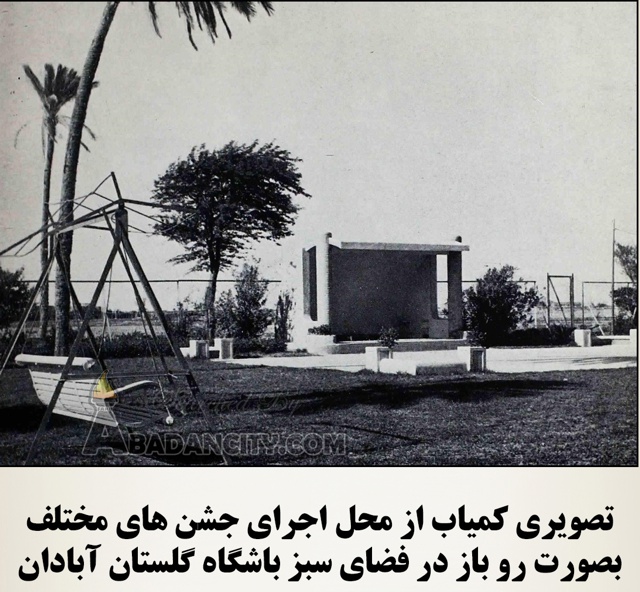
Three decades after the ceasefire with Iraq, the rubble has been largely cleared away and the population is back to the pre-revolution levels, surpassing 300,000 in Abadan and its rural surroundings (population increased from 34 to 80 million during the same period). But the city is plagued by environmental, social, demographic and economic crises. Critical air and water pollution, chronic high unemployment, widespread corruption in the public and financial sectors, ethnic and political discrimination and perceptions of state failure to deliver tangible improvements and long-term development have created a constant state of discontent.
The disjuncture between official rhetoric and lived reality and the recognition that poor policies are responsible for the crises have created a sense of abandonment and a politics of despair that regularly erupts into riots. If Abadan once epitomized cosmopolitan urban modernity, it has come to embody an opposite imaginary of dystopia underpinned by a melancholic nostalgia for a modernity that is in the past and a future that holds no promise except of further decline.