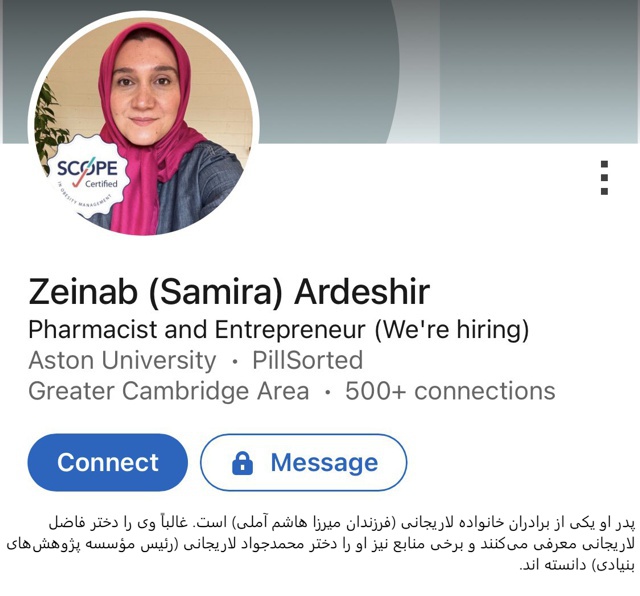
The term “rich kids” in the United Kingdom often refers to young people born into wealthy families, aristocratic circles, celebrity households, or successful business dynasties. Their lifestyles are usually associated with luxury education, designer fashion, exclusive social events, expensive travel, and elite social networks. Many wealthy teenagers and young adults in the UK grow up in affluent areas of London such as Kensington, Chelsea, and Mayfair. Others come from countryside estates owned by aristocratic families. Their daily lives may include private chauffeurs, international holidays, horse riding, skiing trips, and access to exclusive clubs. Private schools play a major role in elite British culture. Institutions such as Eton College and Harrow School are famous for educating members of the royal family, politicians, and business leaders. Attendance at these schools often creates lifelong connections that help maintain social influence. The British royal family strongly shapes perceptions of wealth and privilege in the UK. Young royals such as Prince William and Prince Harry attended elite schools and universities, bringing attention to upper-class British culture worldwide. Rich kids in the UK are sometimes criticized for being disconnected from ordinary life. Critics argue that inherited wealth and social privilege can create unequal opportunities in education and careers. At the same time, some wealthy young people use their platforms to support charities, environmental causes, or entrepreneurship. British media often portrays affluent youth through reality television, celebrity culture, and social media influencers. This has created fascination with the glamorous lifestyles of the upper class while also increasing debates about inequality and privilege in modern Britain. Despite their glamorous image, many rich kids in the United Kingdom grow up under intense pressure. Families with long histories of wealth and influence often expect younger generations to maintain traditions, protect family reputations, and continue successful careers in business, politics, or finance. As a result, some wealthy young people experience strict social expectations from an early age. University life is another important part of elite culture in Britain. Prestigious institutions such as University of Oxford and University of Cambridge attract students from wealthy and influential families around the world. Exclusive student societies, formal dinners, and networking events often strengthen connections between future leaders of business and government. Luxury travel is common among affluent British youth. During school holidays, many travel to destinations such as Dubai, Paris, or ski resorts in Switzerland. Social media posts featuring yachts, designer shopping, and five-star hotels contribute to the popular stereotype of wealthy British teenagers living extravagant lifestyles. The rise of influencers and reality television has also changed how rich kids are viewed in modern society. Shows based in affluent areas of London have showcased luxury lifestyles, expensive parties, and elite friendships. These portrayals often attract admiration but can also generate criticism for promoting materialism and social inequality. At the same time, not all wealthy young people fit the stereotype of being careless or spoiled. Some focus heavily on academics, business startups, charity work, or activism. A growing number of young people from privileged backgrounds are using their resources to invest in technology companies, environmental projects, and social campaigns. This reflects a shift in attitudes among some members of Britain’s upper class, who want to appear more socially aware and globally connected. Class remains an important issue in British society, and rich kids are often at the center of discussions about privilege and opportunity. In the UK, accents, schools, neighborhoods, and family backgrounds can strongly influence social status. Because of this, wealthy young people are sometimes seen as symbols of a wider class divide between rich and working-class communities. Modern British wealth is no longer limited to old aristocratic families. Children of football stars, musicians, actors, and entrepreneurs now play a major role in shaping youth luxury culture. Famous figures from sports and entertainment industries have created a new generation of celebrity-rich teenagers who live highly public lives online. Their fashion choices, friendships, vacations, and parties are frequently followed by millions of people across social media platforms. Even with criticism, fascination with rich kids in the United Kingdom continues to grow because they represent a world of exclusivity, privilege, and luxury that many people rarely experience. Their lifestyles combine traditional British upper-class culture with modern digital influence, creating a unique image that attracts global attention. Shows based in affluent areas of London have showcased luxury lifestyles, expensive parties, and elite friendships. These portrayals often attract admiration but can also generate criticism for promoting materialism and social inequality. At the same time, not all wealthy young people fit the stereotype of being careless or spoiled. Some focus heavily on academics, business startups, charity work, or activism. زینب (سمیرا) اردشیر لاریجانی، همسر و شریک تجاری محمد محقق (بنیانگذار و مدیر شرکت PillSorted) است. وی دارای مدرک دکترای داروسازی (PharmD) از دانشگاه علوم پزشکی شهید بهشتی ایران و دوره تکمیلی داروسازی از دانشگاه Aston انگلستان است. زینب به همراه همسرش، داروساز مسئول… https://t.co/qYsfpmZ3bM pic.twitter.com/6ZSvYMYVGR — 👑LuCiFeR👑 (@LuCiFeRuqdx) May 9, 2026