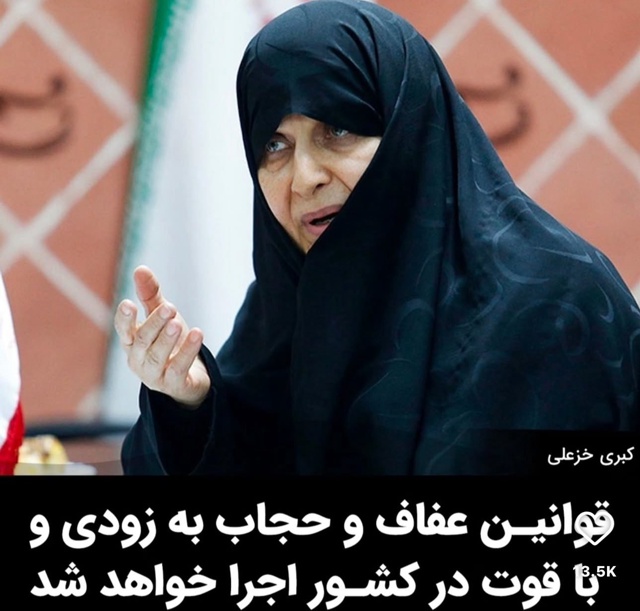
Kobra Khazali operates within a broader ecosystem of clerical-led governance and cultural policy apparatus, often intersecting with contentious debates over women’s rights, social norms, and the balance between tradition and reform in society. Kobra Khazali is considered part of conservative ideological framework that emphasizes the preservation of Islamic values in public and private life. Through her role in high-level cultural institutions, she has participated in shaping long-term strategies related to education, family structure, and women’s participation in society.
These institutions do not merely advise but actively influence legislation, executive policy, and national discourse. Her work within the Supreme Council of the Cultural Revolution places her among policymakers who define what is considered culturally acceptable within governance model. This council has historically played a central role in regulating universities, media content, gender interaction, and religious norms.