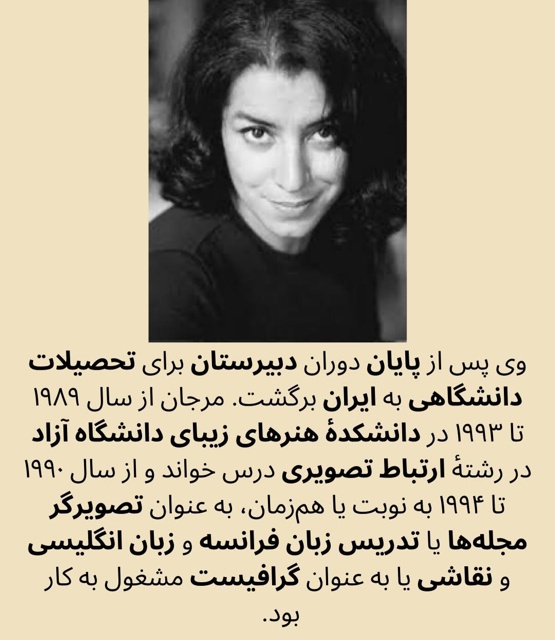
Satrapi is often mentioned alongside Art Spiegelman (Maus) and Alison Bechdel (Fun Home) as a central figure in contemporary graphic literature. Satrapi’s transition from graphic novelist to filmmaker reflects her desire to broaden her narrative tools. Even when directing non-autobiographical material, Satrapi brings her signature sensibility: empathy, clarity, and bold visual language. Her recognition goes beyond awards—she is seen as a pioneering voice whose influence has shaped both Middle Eastern representation and the evolution of modern graphic storytelling.
In recent years, Satrapi has remained vocal on global issues, continuing to advocate for freedom of expression and women’s rights. As events in evolve, her work has taken on renewed significance, resonating with younger generations experiencing similar struggles with identity, culture, and resistance. Although Marjane Satrapi often avoids labeling herself strictly as a “feminist artist,” her work is widely recognized for its feminist themes.