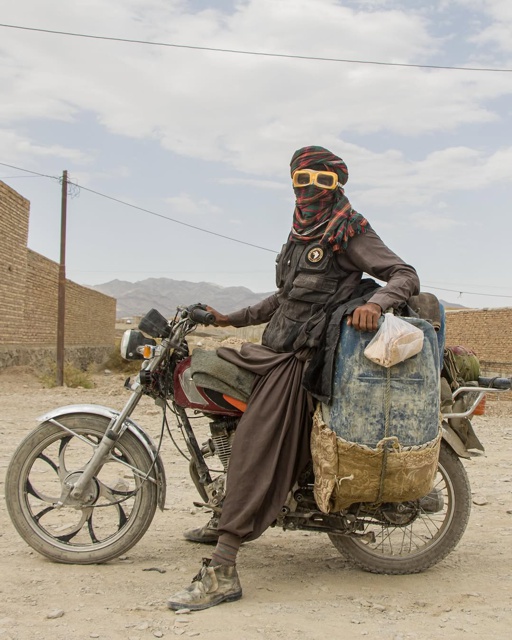
Riders often share water, tools, and route information, forming informal bonds that help them endure the uncertainty. Still, these networks can only do so much in the face of structural challenges. For lasting change, experts emphasize the need for coordinated efforts that address both environmental and economic pressures. Expanding access to education, investing in drought-resistant agriculture, and creating alternative livelihoods could gradually reduce dependence on such dangerous work.
Until then, fuel carrying remains a stark reflection of the difficult choices faced by many in the region, where survival often depends on navigating risks that few would willingly accept. Demand for fuel fluctuates based on price differences and local regulations, affecting how often riders can make the journey and how much they can earn. At times, increased enforcement or instability along the border reduces activity, leaving many without even this limited source of income.