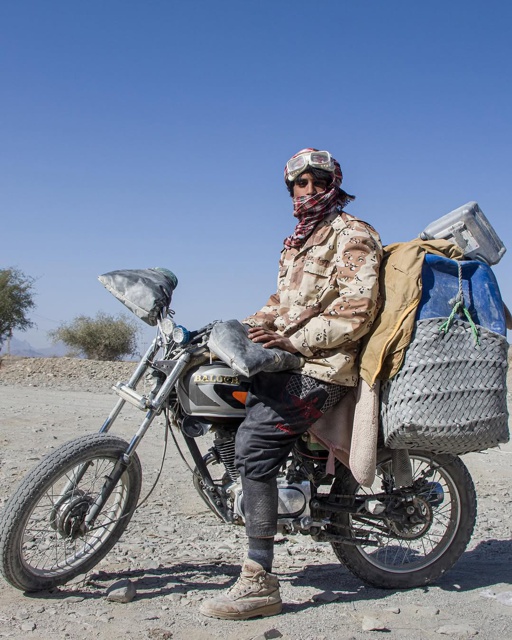
Over time, informal networks have formed around this trade, with small groups of riders coordinating their trips to reduce risk and share information about safer routes. Despite these efforts, they remain vulnerable to harsh weather, mechanical breakdowns in remote areas, and the constant threat of losing their only means of income. Families often depend on the earnings from these journeys, however modest, to cover basic needs such as food, water, and schooling.
Local authorities have at times attempted to restrict or regulate the movement of fuel across the border, citing safety concerns and the need to control smuggling. These measures, while intended to bring order, have also left many riders with fewer options, sometimes pushing them toward even more dangerous paths to avoid checkpoints. The lack of stable employment opportunities in the region means that, for many, fuel carrying is not a choice but a necessity shaped by circumstance.