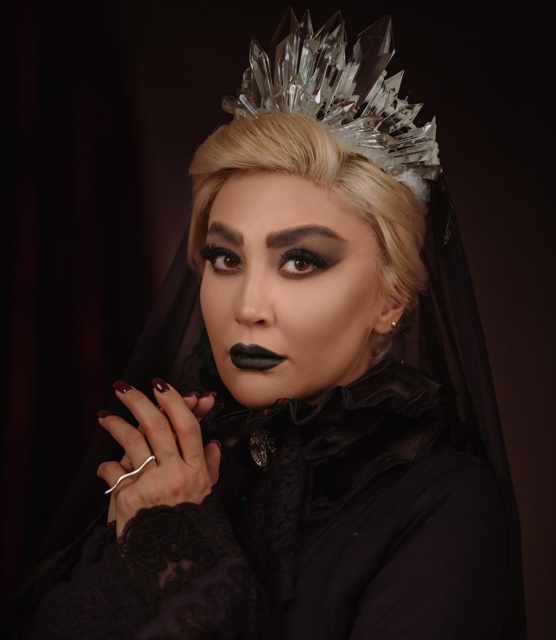
A crown is more than an ornament of precious metals and gemstones—it is a timeless emblem of power, responsibility, and tradition. Worn throughout history by kings, queens, emperors, and deities, the crown represents authority bestowed not only by lineage but often by the will of the people or divine belief. Crafted with intricate detail, a crown reflects the values of the era and culture that created it. Medieval European crowns shimmered with gold and jewels, symbolizing divine right and earthly wealth, while ancient laurel wreaths crowned victorious athletes and poets in Greece, representing honor born from achievement rather than inheritance.
In many African and Asian cultures, crowns and headdresses are adorned with feathers, beads, or sacred stones, connecting leaders to spiritual heritage and community identity. Beyond royalty, the metaphorical crown has become a universal symbol of personal triumph. We speak of “earning a crown” when one masters a skill or overcomes adversity. Crowns appear in literature, music, and art as icons of dignity, ambition, and self-worth—reminding us that greatness can be inherited, achieved, or discovered within oneself.