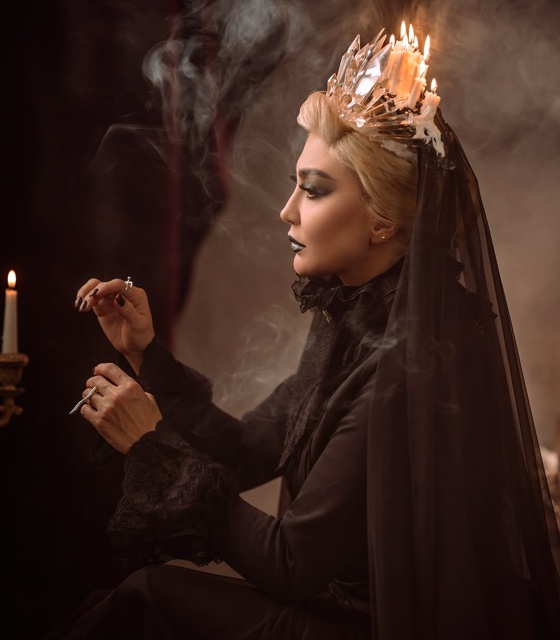
Behind every crown lies the artistry of skilled hands. Goldsmiths, jewelers, and metalworkers spend months—sometimes years—designing and shaping a crown to reflect the identity of the ruler or realm it represents. The weight of the crown is rarely symbolic alone; it is literal. Many historic crowns weigh several kilograms, reminding the wearer that ruling is no light burden. Even in modern coronations, the moment a crown is placed atop a sovereign’s head is treated with reverence, marking the transition from individual to monarch.
Long before kings and queens ruled kingdoms, crowns were linked to gods and cosmic forces. In ancient Egypt, the Pharaoh wore crowns representing Upper and Lower Egypt, merging political unity with divine legitimacy. Norse mythology speaks of powerful rulers adorned with horned helmets and headpieces symbolizing protection and strength. In Christian iconography, halos can be seen as spiritual crowns—radiant circles of light denoting holiness and divine favor.