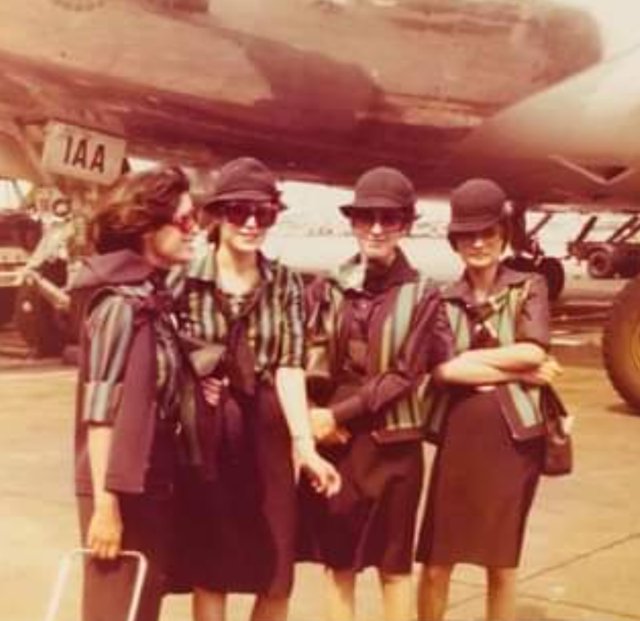
In addition to serving the customers, flight attendants must conduct regular safety checks and listen for unusual noises. Once the plane begins its descent, attendants must ensure all trash has been removed from the cabin and seats are in their correct positions before performing a final safety check. After landing, attendants assist passengers in safely deplaning the aircraft. Since airlines operate day and night and year-round, flight attendants must have a flexible schedule. Generally, they work no more than 12 hours per day, but may in some cases (especially in the event of oversea international flights) work 14 hours or more. Attendants also work on holidays and weekends and typically fly for 65 to 90 hours per month, with another 50 hours spent on the ground preparing or waiting for flights.
A flight attendant’s in-flight duties keep them on their feet most of the time. They stand, walk, push and pull equipment, kneel, bend, reach, stoop, and lift heavy objects from the floor to above shoulder-level heights. Flight attendants typically need to work quickly in order to finish all their tasks during the few hours in the air. They often serve meals and pour beverages under rough flying conditions. Passengers can be annoying and demanding at times, and it is the flight attendants responsibility to be patient, remain pleasant, and provide quality service.