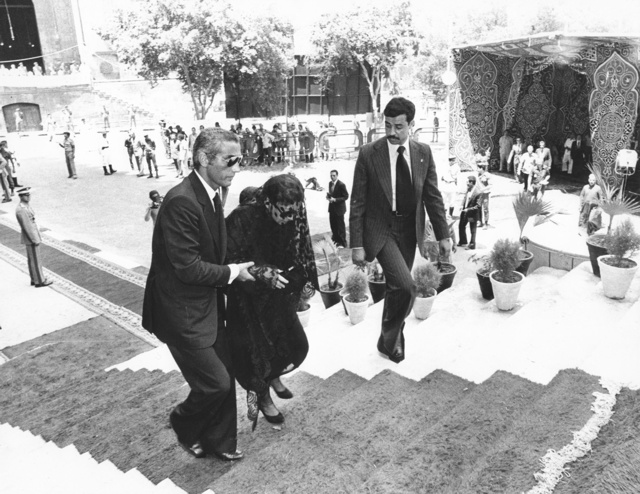
A funeral procession of cars will proceed behind the hearse to the cemetery for burial or entombment. The funeral procession may be escorted by law enforcement to facilitate safe travel through intersections. The primary purpose of a funeral is to bury an individual in their final resting place. In addition, the purpose of a funeral service is to provide honor and dignity to the memory of the deceased individual. The funeral service also allows the family and community of mourners to gather together to grieve and share remembrances. During a time of loss it is common for several family members to participate in the determination for the final resting place and the type of funeral service.
The type of funeral is mainly determined by the religion, culture, and tradition of the individual, next of kin and extended family. Religious funeral services are led by clergy and follow a prescribed order of service based on the religion’s specific guidance. Catholic funerals include a funeral mass. Jewish services may include the religious preparation of the body by the Chevra Kadisha prior to burial. Islamic services follow Sharia guidance. Secular funeral services are led by a funeral celebrant and may be more personalized.