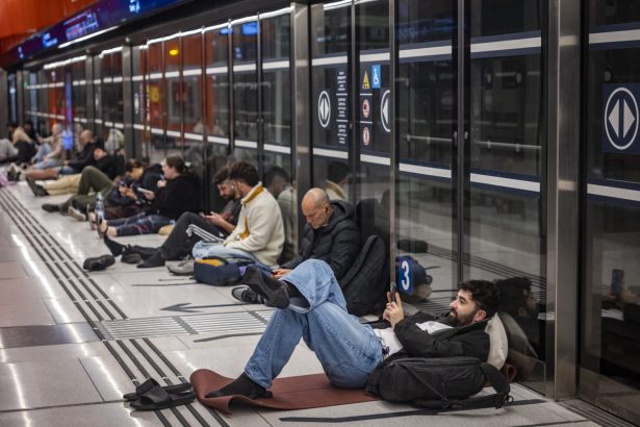
In everyday life, many Tel Aviv residents are familiar with shelter routines. Schools, offices, and public institutions practice emergency procedures, and many workplaces have designated protected areas. During periods of calm, shelters may be used for storage or community activities, but they are required to remain accessible in case of emergency.
At the same time, the presence of shelters has influenced the social and psychological fabric of the city. Communities sometimes gather in shared shelters during alerts, turning them into temporary social spaces where neighbors support one another. Volunteers and local organizations occasionally bring supplies, organize activities for children, or help elderly residents during prolonged alert periods.