That having been said, today’s actor does much more than just perform. Reading and interpreting scripts, memorizing complex lines and movements, rehearsing for hours on end, perfecting warm-up and cool-down routines, and auditioning again and again are all part of an actor’s work. Additionally, extra work is often required anytime an actor takes on a particularly difficult role; this could mean anything from developing a specific accent or movement style to undertaking intense physical, vocal, emotional, or holistic training. As any actor knows, the preparatory work and the performance are not separate—they are two parts of the same process.
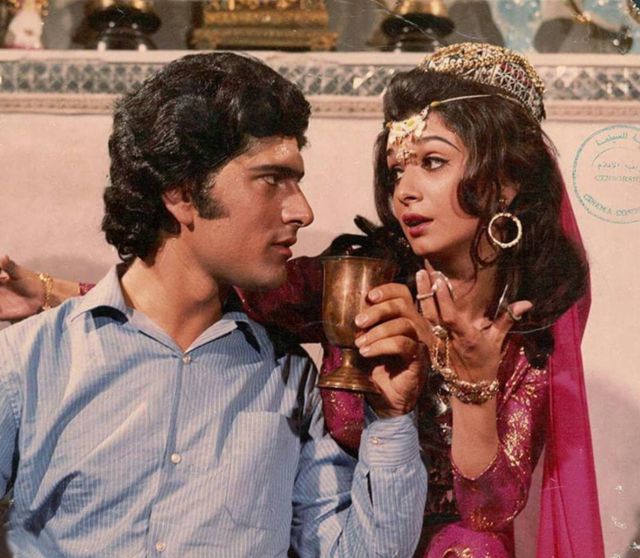
About fifty years ago, the personal and professional lives of actors and actresses were far more separated and controlled than they are today, shaped largely by studio contracts, limited media exposure, and slower channels of publicity. Studios often managed an actor’s public image, carefully curating interviews, appearances, and even personal relationships to maintain a marketable persona, while much of their private life remained shielded from the public. In contrast, modern performers navigate an environment defined by constant connectivity, social media presence, and 24/7 news cycles, where personal and professional boundaries blur and public expectations are higher. Today’s actors have more creative freedom and independence, but they face greater scrutiny and pressure to manage their own brand across digital platforms, making their careers simultaneously more flexible and more publicly demanding than those of their predecessors.