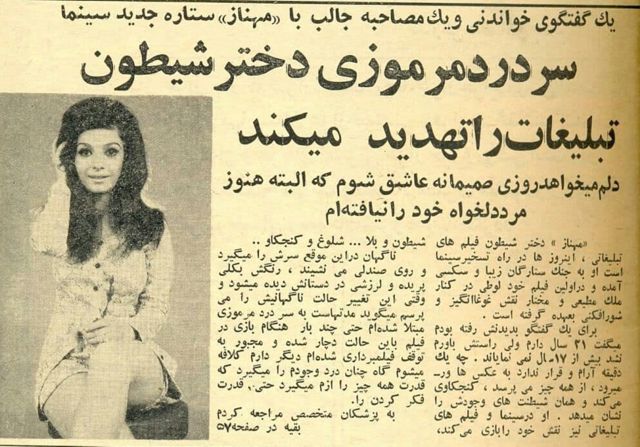
Oldtime Actress Mahnaz
Female characters remain far younger than their male counterparts with the majority in their twenties (22%) and thirties (31%). By contrast, the majority of male characters were in their thirties (32%) and forties (26%). In fact, men in their forties or older accounted for 47% of all characters while women in the same age groups comprised just 30% of all female characters. An Actor portrays a character with their physical presence, voice, and ability to emote through these tools. To bring a character to life, an Actor must analyze their motivations via the script, memorize the dialogue in it, work with the Director to further develop the character, and mine their own emotional life to authentically embody the figure they’re portraying in the script.
About fifty years ago, the personal and professional lives of actors and actresses were far more separated and controlled than they are today, shaped largely by studio contracts, limited media exposure, and slower channels of publicity. Studios often managed an actor’s public image, carefully curating interviews, appearances, and even personal relationships to maintain a marketable persona, while much of their private life remained shielded from the public. In contrast, modern performers navigate an environment defined by constant connectivity, social media presence, and 24/7 news cycles, where personal and professional boundaries blur and public expectations are higher. Today’s actors have more creative freedom and independence, but they face greater scrutiny and pressure to manage their own brand across digital platforms, making their careers simultaneously more flexible and more publicly demanding than those of their predecessors.
Pages:
1 2 3 4 5 6 7 8 9 10 11 12