Male characters are equally divided across racial lines: 71% of all male characters in the top 100 grossing domestic films were white, 15% were black, 6% Asian, 5% Latino and 3% identified as some other race or ethnicity. Actors portray characters in stories such as plays, musicals, films, television shows and radio shows. They engage with the audience and convince them through altered speech patterns, hand gestures and more that they truly are the character. When necessary, actors also change their appearance such as their hair color or body weight to physically portray and embody their character.
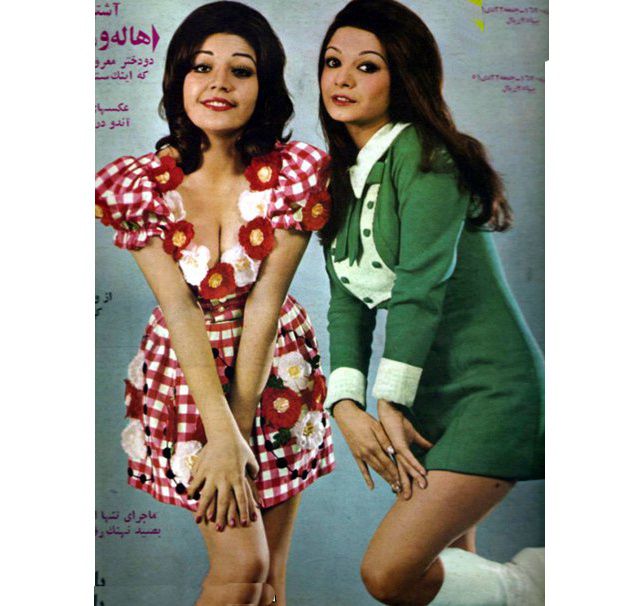
About fifty years ago, the personal and professional lives of actors and actresses were far more separated and controlled than they are today, shaped largely by studio contracts, limited media exposure, and slower channels of publicity. Studios often managed an actor’s public image, carefully curating interviews, appearances, and even personal relationships to maintain a marketable persona, while much of their private life remained shielded from the public. In contrast, modern performers navigate an environment defined by constant connectivity, social media presence, and 24/7 news cycles, where personal and professional boundaries blur and public expectations are higher. Today’s actors have more creative freedom and independence, but they face greater scrutiny and pressure to manage their own brand across digital platforms, making their careers simultaneously more flexible and more publicly demanding than those of their predecessors.