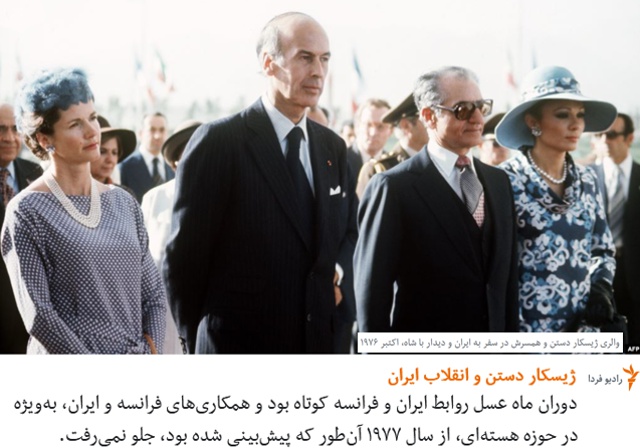
Following his defeat in 1981, Giscard continued to play a role in political life, regaining a seat in French parliament before going on to serve in European parliament. He was selected by EU leaders to lead efforts on the bloc’s constitutional treaty in 2001. The treaty was, however, rejected by French voters, with Giscard concluding his political career in 2004 after losing his legislative seat. Also, his election was the end of France’s “magnificent thirty years” period, which began after the end of the World War and whose memory is still alive in the minds of the French. This was the period when the country was moving towards prosperity and the conditions of the French government were such that it even digested the May 1968 movement.
The former president was regarded as a pioneering social reformer. Elected when he was 48, Giscard is credited with making strides in modernising French society, instituting policy changes such as allowing divorce by mutual consent, legalising abortion and lowering the voting age to 18. However, the election of Valéry Giscard was the wind of freedom blowing in the country, and the lowering of the voting age to 18 and the abolition of the penalty for abortion are symbols of the freedoms of his era. Also, Giscard Daz’s different behavior in a country whose presidents had conservative behavior before is one of the other characteristics of his presidency.