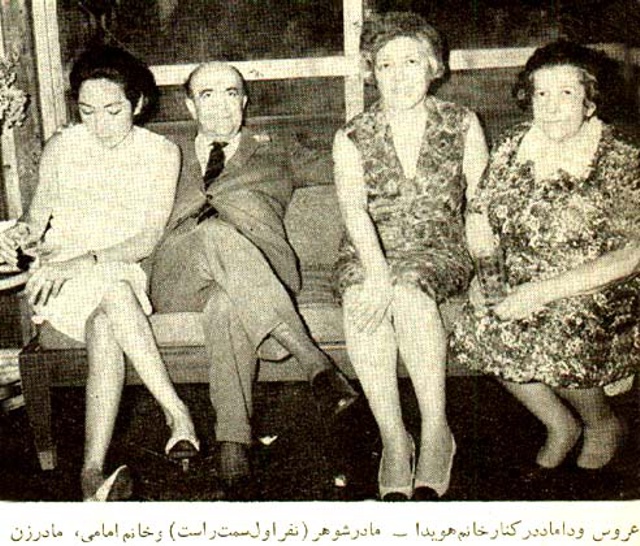
Described as devoutly Shiʿite, she likely shaped the moral vocabulary of the home: observance of religious holidays, social expectations about behavior, and a moral framework that balanced modern education with traditional values. For Amir-Abbas, who often wrote and spoke with nostalgia about childhood, his mother’s presence is a recurrent figure. When fathers serve abroad or are absent, mothers often become the central memory figure — both stable and emotionally formative. That bond influenced how he later perceived duty, family honor, and personal vulnerability.
Daily routines for a woman of her standing in the 1920s–1940s would have combined private ritual with public hospitality. Morning prayers, managing the household ledger, overseeing tutors and servants, and preparing the home for guests would have been normal tasks. At the same time, she would have been expected to participate in the limited but meaningful public life available to women of her class: hosting salons or informal gatherings where politics, literature, and news were discussed.