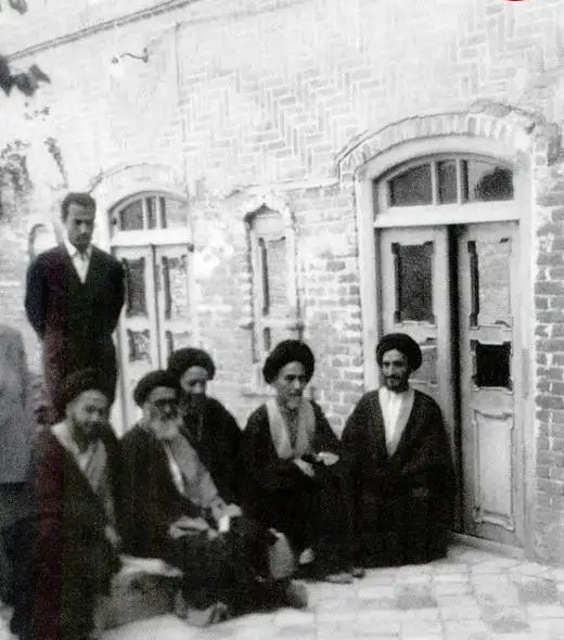
Reformist clerics also criticized him for prioritizing sociology over theology. Arrested again, he was imprisoned until 1975 and then kept under house arrest until May 1977. He fled to London and died a month later at age 43. While a British coroner ruled it a heart attack, many of his followers suspected foul play.
Shariati’s life unfolded in the 1950s-1970s, an era marked by the influence of the Anglo oil company, and widespread national dissent. This volatile environment shaped his ideas, making them particularly relevant to the discontented masses and intelligentsia. He advocated for two interconnected and concurrent revolutions in Third World countries like a national revolution to end imperial domination, and a social revolution to eliminate exploitation, eradicate poverty, and modernize the economy.