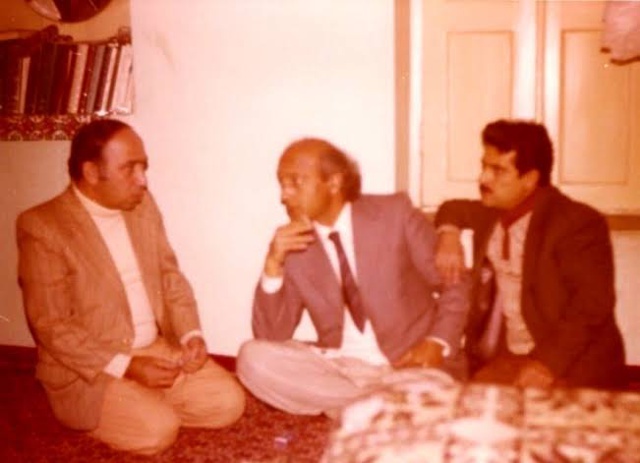
Shariati assigned the intelligentsia the crucial task of leading these two efforts. He believed they could grasp societal contradictions, raise public consciousness, learn from global experiences, and guide the masses towards the future. He stressed that the return to true Islam would be led by these progressive intellectuals, not the traditional ‘ulama’.
He argued that the Islamic “Renaissance,” “Reformation,” and “Enlightenment” would be brought about by the intelligentsia, whom he considered the true interpreters and genuine exponents of dynamic Islam. He emphasized that the Prophet Muhammad (PBUH) aimed to establish an umma (community) in constant motion towards progress and social justice, and a nezam-e tawhid (unitary society) based on public virtue, justice, equality, brotherhood, and public ownership, ultimately striving for a classless society.