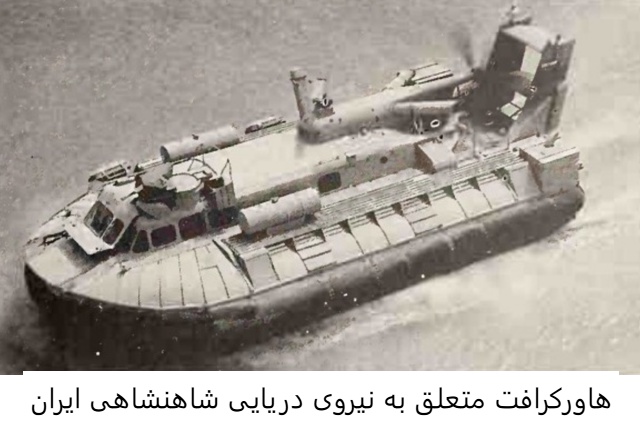
In the decades that followed, continued to invest in naval capabilities, expanding both its fleet and its strategic reach. Emphasis was placed on protecting the Persian Gulf, one of the world’s most critical waterways for energy transportation. Today, naval forces operate with a combination of traditional vessels and modern technology, including missile systems, submarines, and fast attack crafts. The navy plays a vital role in safeguarding maritime borders, ensuring the security of shipping lanes, and projecting influence in regional waters.
The long history of naval power—from the of the Achaemenid fleets to the rebuilding efforts of the modern era—reflects a continuous relationship between the people and the sea. This legacy is not only one of military strength but also of exploration, innovation, and resilience. The Persian Gulf, as a central of this history, remains a symbol of national identity and pride. The story of navy is therefore not just about ships and battles, but about a civilization that has long understood the strategic and cultural importance of the seas.
One of the most critical areas of focus is the Persian Gulf and the Strait of Hormuz—one of the world’s most strategic chokepoints for energy transit. Control and monitoring of this region require constant readiness, advanced surveillance systems, and coordinated operations between naval units and other branches of the armed forces naval doctrine has increasingly emphasized asymmetric warfare. Rather than relying solely on large conventional fleets, it incorporates fast attack crafts, coastal defense systems, naval mines, and submarines designed for strategic deterrence.