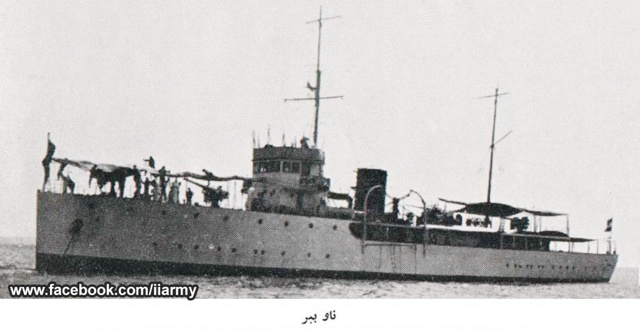
The phrase “Army Navy” often evokes a deep sense of tradition, discipline, and national pride. At its core, it represents two major branches of the United States military—the Army and the Navy—each with its own identity, mission, and history. One of the most famous aspects of “Army Navy” is the longstanding rivalry between the United States Military Academy (Army) and the United States Naval Academy (Navy). This rivalry is most visible during the annual Army-Navy football game, first played in 1890. The game is more than just a sporting event—it’s a symbolic clash of values, pride, and tradition. Cadets and midshipmen attend in full uniform, and the event is marked by ceremonies, flyovers, and a strong sense of patriotism. Even people who don’t follow football often tune in because of its cultural and historical significance. Primarily responsible for land-based military operations. It focuses on ground combat, peacekeeping, and securing territories. Operates at sea, ensuring maritime security, projecting power globally, and supporting operations with aircraft carriers and submarines. Together, they form a critical part of national defense, often working in coordination during joint missions. Outside of the military context, “Army Navy” also refers to retail stores that sell military surplus goods and rugged outdoor gear. These stores became popular after World War II, offering surplus uniforms, boots, backpacks, and camping equipment to civilians. “Army Navy” is more than just a phrase—it represents a blend of history, competition, service, and practicality. Whether it’s the spirited rivalry on the football field or the reliable gear found in surplus stores, the term continues to hold a strong place in American culture. Building on its deep roots in tradition and service, the meaning of “Army Navy” continues to evolve in modern times while still honoring its past. In today’s world, both branches have adapted to new forms of warfare and global challenges. The Army has expanded its capabilities with advanced technology, cyber operations, and rapid deployment forces that can respond quickly to crises around the world. Similarly, the Navy has strengthened its presence with cutting-edge ships, nuclear-powered submarines, and sophisticated aircraft systems that allow it to operate across every major ocean. Despite these advancements, the core values of duty, honor, and commitment remain unchanged. The cultural influence of “Army Navy” also extends beyond military and retail spaces. It can be seen in movies, literature, and public ceremonies that highlight the sacrifices and dedication of service members. Events like parades, memorial services, and veterans’ gatherings often bring together representatives from both branches, reinforcing a shared identity despite their rivalry. Another important aspect is the sense of community that surrounds Army and Navy traditions. Alumni from military academies often maintain lifelong connections, bound by shared experiences and rigorous training. These networks can play a significant role in leadership development, career opportunities, and continued service to the country even after active duty ends. In addition, the Army-Navy rivalry itself has come to symbolize respectful competition. While the game is intense and deeply meaningful, it is also rooted in mutual respect. Players on both sides know they may one day serve alongside each other, which adds a unique layer of unity beneath the competition. This balance of rivalry and camaraderie is one of the defining characteristics of the Army Navy identity. Even Army Navy stores have adapted with the times. While they still carry classic surplus items, many now offer modern tactical gear, fashion-inspired military clothing, and survival equipment suited for contemporary needs. This blend of old and new reflects how the concept of “Army Navy” continues to stay relevant across generations. Ultimately, “Army Navy” represents more than institutions or stores—it reflects a broader story of resilience, adaptation, and shared purpose. Whether through service, tradition, or everyday utility, it remains a powerful symbol that connects history with the present and continues to shape its future. If you’re referring to “Shah Navy Army,” it likely connects to the military forces during the rule of the Shah of Iran, particularly under Mohammad Reza Shah Pahlavi, who ruled from 1941 until 1979. During his reign, underwent major military expansion and modernization, shaping what could be described as the “Shah’s Army and Navy.” Under the Shah, aimed to become a dominant regional power in the Middle East. He invested heavily in building a strong, modern military that included advanced land, sea, and air forces. This effort was supported by close ties with Western countries, especially the United States and the United Kingdom. The army was the backbone of military strength. It was equipped with modern tanks, artillery, and trained personnel. The Shah emphasized discipline, centralized control, and loyalty to the monarchy. The army’s primary role was to protect national borders and maintain internal stability. The navy, though smaller than the army, played a strategic role in securing the Persian Gulf. location made control of sea routes extremely important, especially for oil exports. The Shah invested in naval ships, patrol boats, and infrastructure to strengthen maritime defense. During the 1960s and 1970s, became one of the best-equipped militaries in the region. The Shah purchased advanced weapons systems, including aircraft, naval vessels, and radar technology. This modernization was part of his broader effort to westernize and industrialize the country. Despite its strength, the Shah’s military faced criticism. Much of the equipment depended on foreign support and expertise, making it difficult to maintain independently. Additionally, large military spending created economic pressure and contributed to public dissatisfaction. The military’s role changed dramatically during the Revolution. As protests grew, divisions within the armed forces weakened their ability to defend the Shah’s. Eventually, the monarchy collapsed, and the military structure was reorganized under the new Islamic Republic. In the year 1932, naval graduates, commanding six vessels under the leadership of the first commander of the Navy, Major of Artillery Gholamali Bayandor, entered the port of Bushehr. The southern sea has never forgotten the memory of first naval unit in that year. The naval unit, under the command of its brave leader Bayandor, entered the port of Khorramshahr despite Iraqi warnings and anchored in coastal waters, which were claimed by Iraq. Shortly after, this proud fleet set course for the islands of the Persian Gulf, lowering British flags from buildings on the islands of Hengam, Basidu, and other islands and ports, and raising the national tricolor flag bearing the Lion and Sun emblem over the Persian Gulf. To rebuild and modernize naval fleet, a vessel with a capacity of 6,000 tons and a tugboat were purchased, and the Navy grew stronger day by day. In the history of navy, there are many years of pride and glory. There were times during the Achaemenid era when navy transported millions of soldiers across vast distances and traversed continents. It was also during this period that Iranian commanders pioneered amphibious operations—landing forces on shores for the first time in naval warfare. There was a time when shipbuilding yards in the port of Asaluyeh constructed ships that carried forces across Gibraltar. Later, the navy came to the aid of the Arabs of Yemen and freed them from African domination. Eventually, during the reign of the great leader Reza Shah, the foundations of the modern Navy were established in the Persian Gulf with his distinct vision. Historians in numerous books note that the first nation to create an organized and well-equipped navy was the during the Achaemenid Empire. The immense power of the navy at that time even aroused the envy of the Greeks. According to historical accounts, the navy of Xerxes consisted of 4,000 organized units, including 1,207 triremes (three-tiered ships), each with rows of oarsmen on every level. These ships, called warships, had sharp prows designed to ram and destroy enemy vessels. The remarkable strength of navy is further demonstrated by an order from Xerxes, in which a group of ships under the command of Ariobarzanes sailed around Africa to deliver goods and troops to the coasts of Greece and the Mediterranean, accomplishing this extraordinary journey three times. The Achaemenid era were also the first to connect the Red Sea to the Mediterranean Sea through canals and branches of the Nile River. The Achaemenid period were also the first to use divers in naval warfare, particularly during battles with the Greeks, including the Battle of Salamis. In the history of diving, are recognized as the first people to make use of underwater operatives. Following the fall of the Achaemenid Empire, naval strength experienced periods of decline and revival under successive dynasties. During the Parthian era, maritime activity was more limited, as their focus remained primarily on land-based defense against Roman expansion. However, with the rise of the Sassanian Empire, naval power once again became an important strategic element. The Sassanian navy played a significant role in protecting trade routes across the Persian Gulf and the Indian Ocean. The ships traveled as far as India, East Africa, and even China, contributing to commerce and cultural exchange. Ports along the southern coasts of became thriving centers of trade and naval activity. During this time, sailors and navigators gained a strong reputation for their skill and knowledge of the seas. They developed advanced techniques in navigation, shipbuilding, and maritime logistics, which allowed them to maintain influence over key waterways. In later centuries, particularly after the Islamic conquest of Persia, naval traditions were gradually integrated into broader Islamic maritime networks. Despite these contributions, did not maintain a consistently dominant naval force during the medieval period. Shifts in political power, invasions, and changing trade routes all affected the development of its navy. It was not until the modern era, particularly under Reza Shah in the early 20th century, that a structured and centralized naval force was reestablished. His efforts marked the beginning of a new chapter, focusing on modernization, national sovereignty, and control over territorial waters. In the decades that followed, continued to invest in naval capabilities, expanding both its fleet and its strategic reach. Emphasis was placed on protecting the Persian Gulf, one of the world’s most critical waterways for energy transportation. Today, naval forces operate with a combination of traditional vessels and modern technology, including missile systems, submarines, and fast attack crafts. The navy plays a vital role in safeguarding maritime borders, ensuring the security of shipping lanes, and projecting influence in regional waters. The long history of naval power—from the of the Achaemenid fleets to the rebuilding efforts of the modern era—reflects a continuous relationship between the people and the sea. This legacy is not only one of military strength but also of exploration, innovation, and resilience. The Persian Gulf, as a central of this history, remains a symbol of national identity and pride. The story of navy is therefore not just about ships and battles, but about a civilization that has long understood the strategic and cultural importance of the seas. One of the most critical areas of focus is the Persian Gulf and the Strait of Hormuz—one of the world’s most strategic chokepoints for energy transit. Control and monitoring of this region require constant readiness, advanced surveillance systems, and coordinated operations between naval units and other branches of the armed forces naval doctrine has increasingly emphasized asymmetric warfare. Rather than relying solely on large conventional fleets, it incorporates fast attack crafts, coastal defense systems, naval mines, and submarines designed for strategic deterrence. This approach allows flexibility and adaptability in confined waters such as the Persian Gulf. Specialized units, including modern equivalents of historical “frogmen,” continue to play vital roles in reconnaissance, underwater operations, and coastal defense. These forces reflect a continuation of ancient traditions adapted to modern needs. The navy also plays a supportive role in economic security. Protecting shipping lanes ensures the steady flow of trade and energy exports, which are vital to the country’s economy. In addition, naval presence helps combat smuggling, piracy, and illegal fishing, contributing to overall maritime stability. According to historical accounts, the navy of Xerxes consisted of 4,000 organized units, including 1,207 triremes (three-tiered ships), each with rows of oarsmen on every level. These ships, called warships, had sharp prows designed to ram and destroy enemy vessels. The remarkable strength of navy is further demonstrated by an order from Xerxes, in which a group of ships under the command of Ariobarzanes sailed around Africa to deliver goods and troops to the coasts of Greece and the Mediterranean, accomplishing this extraordinary journey three times. The Achaemenid era were also the first to connect the Red Sea to the Mediterranean Sea through canals and branches of the Nile River. The Achaemenid period were also the first to use divers in naval warfare, particularly during battles with the Greeks, including the Battle of Salamis. In the history of diving, are recognized as the first people to make use of underwater operatives. According to historical accounts, the navy of Xerxes consisted of 4,000 organized units, including 1,207 triremes (three-tiered ships), each with rows of oarsmen on every level. These ships, called warships, had sharp prows designed to ram and destroy enemy vessels. The remarkable strength of navy is further demonstrated by an order from Xerxes, in which a group of ships under the command of Ariobarzanes sailed around Africa to deliver goods and troops to the coasts of Greece and the Mediterranean, accomplishing this extraordinary journey three times. The Achaemenid era were also the first to connect the Red Sea to the Mediterranean Sea through canals and branches of the Nile River. The Achaemenid period were also the first to use divers in naval warfare, particularly during battles with the Greeks, including the Battle of Salamis. In the history of diving, are recognized as the first people to make use of underwater operatives. According to historical accounts, the navy of Xerxes consisted of 4,000 organized units, including 1,207 triremes (three-tiered ships), each with rows of oarsmen on every level. These ships, called warships, had sharp prows designed to ram and destroy enemy vessels. The remarkable strength of navy is further demonstrated by an order from Xerxes, in which a group of ships under the command of Ariobarzanes sailed around Africa to deliver goods and troops to the coasts of Greece and the Mediterranean, accomplishing this extraordinary journey three times. The Achaemenid era were also the first to connect the Red Sea to the Mediterranean Sea through canals and branches of the Nile River. The Achaemenid period were also the first to use divers in naval warfare, particularly during battles with the Greeks, including the Battle of Salamis. In the history of diving, are recognized as the first people to make use of underwater operatives. According to historical accounts, the navy of Xerxes consisted of 4,000 organized units, including 1,207 triremes (three-tiered ships), each with rows of oarsmen on every level. These ships, called warships, had sharp prows designed to ram and destroy enemy vessels. The remarkable strength of navy is further demonstrated by an order from Xerxes, in which a group of ships under the command of Ariobarzanes sailed around Africa to deliver goods and troops to the coasts of Greece and the Mediterranean, accomplishing this extraordinary journey three times. The Achaemenid era were also the first to connect the Red Sea to the Mediterranean Sea through canals and branches of the Nile River. The Achaemenid period were also the first to use divers in naval warfare, particularly during battles with the Greeks, including the Battle of Salamis. In the history of diving, are recognized as the first people to make use of underwater operatives. According to historical accounts, the navy of Xerxes consisted of 4,000 organized units, including 1,207 triremes (three-tiered ships), each with rows of oarsmen on every level. These ships, called warships, had sharp prows designed to ram and destroy enemy vessels. The remarkable strength of navy is further demonstrated by an order from Xerxes, in which a group of ships under the command of Ariobarzanes sailed around Africa to deliver goods and troops to the coasts of Greece and the Mediterranean, accomplishing this extraordinary journey three times. The Achaemenid era were also the first to connect the Red Sea to the Mediterranean Sea through canals and branches of the Nile River. The Achaemenid period were also the first to use divers in naval warfare, particularly during battles with the Greeks, including the Battle of Salamis. In the history of diving, are recognized as the first people to make use of underwater operatives. According to historical accounts, the navy of Xerxes consisted of 4,000 organized units, including 1,207 triremes (three-tiered ships), each with rows of oarsmen on every level. These ships, called warships, had sharp prows designed to ram and destroy enemy vessels. The remarkable strength of navy is further demonstrated by an order from Xerxes, in which a group of ships under the command of Ariobarzanes sailed around Africa to deliver goods and troops to the coasts of Greece and the Mediterranean, accomplishing this extraordinary journey three times. The Achaemenid era were also the first to connect the Red Sea to the Mediterranean Sea through canals and branches of the Nile River. The Achaemenid period were also the first to use divers in naval warfare, particularly during battles with the Greeks, including the Battle of Salamis. In the history of diving, are recognized as the first people to make use of underwater operatives. According to historical accounts, the navy of Xerxes consisted of 4,000 organized units, including 1,207 triremes (three-tiered ships), each with rows of oarsmen on every level. These ships, called warships, had sharp prows designed to ram and destroy enemy vessels. The remarkable strength of navy is further demonstrated by an order from Xerxes, in which a group of ships under the command of Ariobarzanes sailed around Africa to deliver goods and troops to the coasts of Greece and the Mediterranean, accomplishing this extraordinary journey three times. The Achaemenid era were also the first to connect the Red Sea to the Mediterranean Sea through canals and branches of the Nile River. The Achaemenid period were also the first to use divers in naval warfare, particularly during battles with the Greeks, including the Battle of Salamis. In the history of diving, are recognized as the first people to make use of underwater operatives. According to historical accounts, the navy of Xerxes consisted of 4,000 organized units, including 1,207 triremes (three-tiered ships), each with rows of oarsmen on every level. These ships, called warships, had sharp prows designed to ram and destroy enemy vessels. The remarkable strength of navy is further demonstrated by an order from Xerxes, in which a group of ships under the command of Ariobarzanes sailed around Africa to deliver goods and troops to the coasts of Greece and the Mediterranean, accomplishing this extraordinary journey three times. The Achaemenid era were also the first to connect the Red Sea to the Mediterranean Sea through canals and branches of the Nile River. The of the Achaemenid period were also the first to use divers in naval warfare, particularly during battles with the Greeks, including the Battle of Salamis. In the history of diving, are recognized as the first people to make use of underwater operatives. According to historical accounts, the navy of Xerxes consisted of 4,000 organized units, including 1,207 triremes (three-tiered ships), each with rows of oarsmen on every level. These ships, called warships, had sharp prows designed to ram and destroy enemy vessels. The remarkable strength of navy is further demonstrated by an order from Xerxes, in which a group of ships under the command of Ariobarzanes sailed around Africa to deliver goods and troops to the coasts of Greece and the Mediterranean, accomplishing this extraordinary journey three times. The Achaemenid era were also the first to connect the Red Sea to the Mediterranean Sea through canals and branches of the Nile River. The of the Achaemenid period were also the first to use divers in naval warfare, particularly during battles with the Greeks, including the Battle of Salamis. In the history of diving, are recognized as the first people to make use of underwater operatives. According to historical accounts, the navy of Xerxes consisted of 4,000 organized units, including 1,207 triremes (three-tiered ships), each with rows of oarsmen on every level. These ships, called warships, had sharp prows designed to ram and destroy enemy vessels. The remarkable strength of navy is further demonstrated by an order from Xerxes, in which a group of ships under the command of Ariobarzanes sailed around Africa to deliver goods and troops to the coasts of Greece and the Mediterranean, accomplishing this extraordinary journey three times. The Achaemenid era were also the first to connect the Red Sea to the Mediterranean Sea through canals and branches of the Nile River. The Iranians of the Achaemenid period were also the first to use divers in naval warfare, particularly during battles with the Greeks, including the Battle of Salamis. In the history of diving, are recognized as the first people to make use of underwater operatives. According to historical accounts, the navy of Xerxes consisted of 4,000 organized units, including 1,207 triremes (three-tiered ships), each with rows of oarsmen on every level. These ships, called warships, had sharp prows designed to ram and destroy enemy vessels. The remarkable strength of navy is further demonstrated by an order from Xerxes, in which a group of ships under the command of Ariobarzanes sailed around Africa to deliver goods and troops to the coasts of Greece and the Mediterranean, accomplishing this extraordinary journey three times. The Achaemenid era were also the first to connect the Red Sea to the Mediterranean Sea through canals and branches of the Nile River. The of the Achaemenid period were also the first to use divers in naval warfare, particularly during battles with the Greeks, including the Battle of Salamis. In the history of diving, are recognized as the first people to make use of underwater operatives. According to historical accounts, the navy of Xerxes consisted of 4,000 organized units, including 1,207 triremes (three-tiered ships), each with rows of oarsmen on every level. These ships, called warships, had sharp prows designed to ram and destroy enemy vessels. The remarkable strength of navy is further demonstrated by an order from Xerxes, in which a group of ships under the command of Ariobarzanes sailed around Africa to deliver goods and troops to the coasts of Greece and the Mediterranean, accomplishing this extraordinary journey three times. The Achaemenid era were also the first to connect the Red Sea to the Mediterranean Sea through canals and branches of the Nile River. The of the Achaemenid period were also the first to use divers in naval warfare, particularly during battles with the Greeks, including the Battle of Salamis. In the history of diving, are recognized as the first people to make use of underwater operatives. According to historical accounts, the navy of Xerxes consisted of 4,000 organized units, including 1,207 triremes (three-tiered ships), each with rows of oarsmen on every level. These ships, called warships, had sharp prows designed to ram and destroy enemy vessels. The remarkable strength of navy is further demonstrated by an order from Xerxes, in which a group of ships under the command of Ariobarzanes sailed around Africa to deliver goods and troops to the coasts of Greece and the Mediterranean, accomplishing this extraordinary journey three times. The Achaemenid era were also the first to connect the Red Sea to the Mediterranean Sea through canals and branches of the Nile River. The of the Achaemenid period were also the first to use divers in naval warfare, particularly during battles with the Greeks, including the Battle of Salamis. In the history of diving, are recognized as the first people to make use of underwater operatives. According to historical accounts, the navy of Xerxes consisted of 4,000 organized units, including 1,207 triremes (three-tiered ships), each with rows of oarsmen on every level. These ships, called warships, had sharp prows designed to ram and destroy enemy vessels. The remarkable strength of navy is further demonstrated by an order from Xerxes, in which a group of ships under the command of Ariobarzanes sailed around Africa to deliver goods and troops to the coasts of Greece and the Mediterranean, accomplishing this extraordinary journey three times. The Achaemenid era were also the first to connect the Red Sea to the Mediterranean Sea through canals and branches of the Nile River. The of the Achaemenid period were also the first to use divers in naval warfare, particularly during battles with the Greeks, including the Battle of Salamis. In the history of diving, are recognized as the first people to make use of underwater operatives. According to historical accounts, the navy of Xerxes consisted of 4,000 organized units, including 1,207 triremes (three-tiered ships), each with rows of oarsmen on every level. These ships, called warships, had sharp prows designed to ram and destroy enemy vessels. The remarkable strength of navy is further demonstrated by an order from Xerxes, in which a group of ships under the command of Ariobarzanes sailed around Africa to deliver goods and troops to the coasts of Greece and the Mediterranean, accomplishing this extraordinary journey three times. The Achaemenid era were also the first to connect the Red Sea to the Mediterranean Sea through canals and branches of the Nile River. The of the Achaemenid period were also the first to use divers in naval warfare, particularly during battles with the Greeks, including the Battle of Salamis. In the history of diving, are recognized as the first people to make use of underwater operatives.