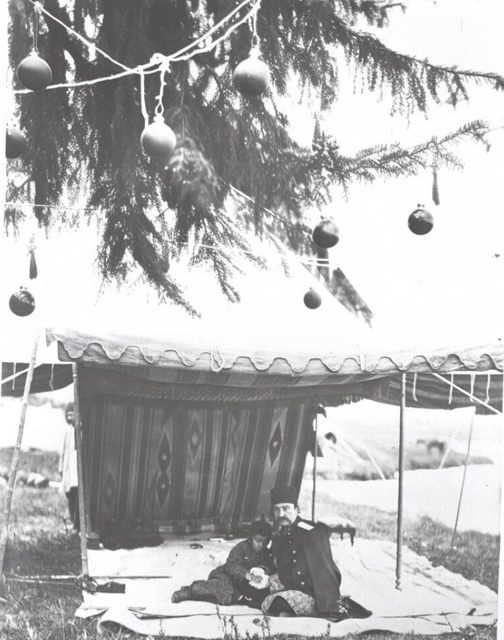
In turn, the court would send seasonal greetings and tokens of goodwill. This etiquette strengthened diplomatic ties while showcasing openness to the world. A small population of Armenian and Assyrian Christians—many living in northern Persia and in Tehran—celebrated Christmas according to their own liturgical calendars (often on January 6). Mission schools and hospitals run by European or American missionaries held modest celebrations and Christmas liturgies. Royal patronage was not direct, but Nāṣer al-Dīn Shāh granted them general tolerance, allowing Christian traditions to persist alongside Shia Islamic customs.
Court painters and photographers occasionally captured scenes connected to European customs. The Shah himself was an avid photographer, and while no surviving photo shows a Christmas celebration in the palace, his diary entries and travel writings reveal deep curiosity about European winter festivities. During his visits abroad, he admired decorated streets, festive garlands, and public gatherings—spectacles that contrasted with Tehran’s quieter winter life.