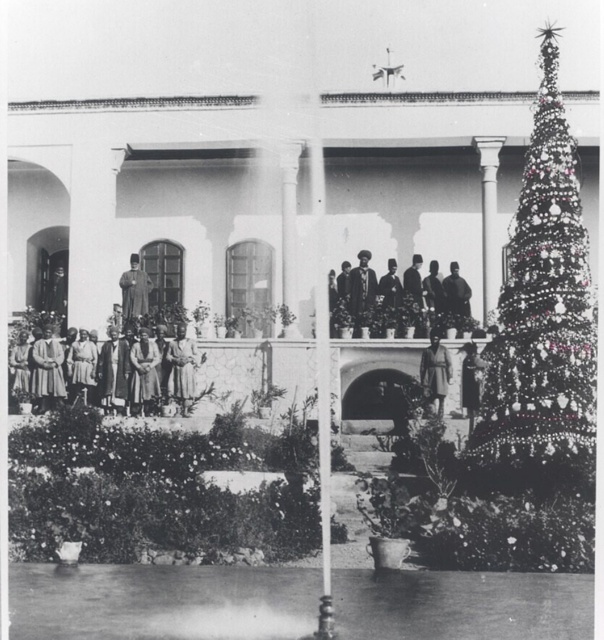
Within diverse religious landscape, Christians had long-standing roots. In the Qajar capital, Armenian and Assyrian churches prepared for Christmas with processions, hymns, and liturgies that echoed through quieter streets. Their feasts, often celebrated in early January, featured dishes passed down for generations: herb-stuffed poultry, dried fruit stews, and breads marked with crosses of dough. Musicians played traditional zithers and drums, blending Christian spiritual music with regional influences.
Although the Shah did not attend services, he occasionally granted audiences to Christian clergy around the holiday, expressing respect for their position within the empire. Mission schools also staged small plays telling the nativity story, sometimes attended by curious Persian intellectuals who wished to observe European educational methods. These interactions slowly expanded Iran’s familiarity with Christian customs beyond the diplomatic sphere.