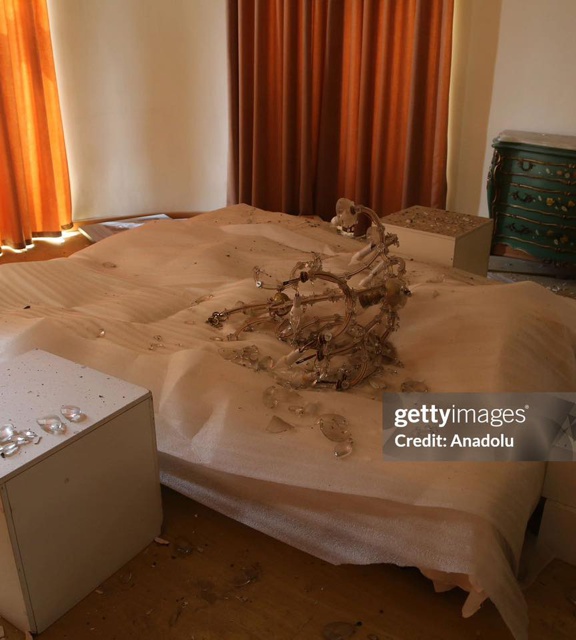
shed, and royal properties—including Saadabad—were confiscated by the new Islamic Republic. While the term “destruction” is sometimes used, it is important to clarify that the palace complex was not physically destroyed in a single event. Instead, it underwent repurposing, neglect in certain periods, and partial transformation. Some buildings within the complex were damaged during the related unrest, while others suffered from a lack of maintenance in the years immediately following the revolution.
Over time, however, many parts of Saadabad were restored and converted into museums open to the public. Today, the complex functions as a cultural and historical site, preserving artifacts from the royal era while also reflecting post-revolution identity. In this sense, the “destruction” of Saadabad Palace is more accurately understood as the symbolic dismantling of royal power and identity, rather than complete physical ruin. The site remains standing, but its meaning has fundamentally shifted—from a seat of monarchy to a public historical complex under state control.