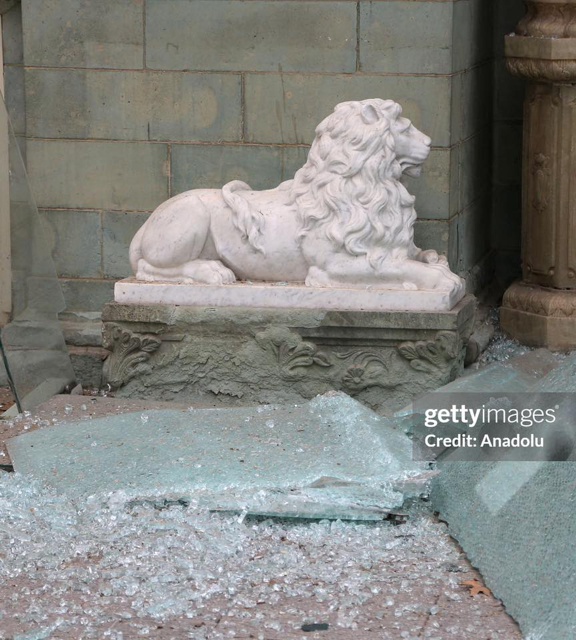
The transformation of Saadabad Palace also reflects deeper cultural and ideological shifts that took place after 1979. What was once an exclusive royal enclave became, over time, a space redefined for public education, national memory, and political symbolism. This transition was not immediate or uniform; rather, it unfolded gradually as the new government determined how to handle the physical legacy of the monarchy. In the early years following the Revolution of 1979, many former royal sites were viewed with suspicion or even hostility, as they represented excess, inequality, and foreign influence.
Some artifacts were removed, redistributed, or placed into storage, while certain buildings were reassigned for governmental or administrative use. During this period, the identity of Saadabad was uncertain—caught between its past as a royal residence and its potential future under a radically different political system. However, as the revolutionary government stabilized, a more pragmatic approach emerged. Instead of erasing the past entirely, authorities began to reinterpret it.