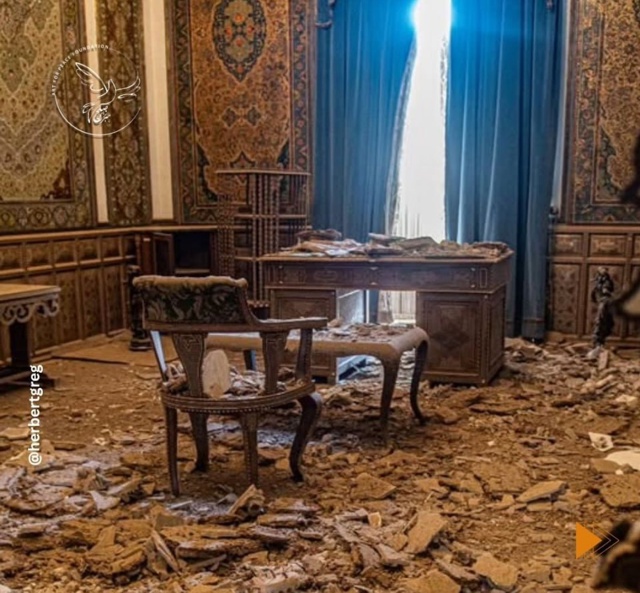
What was once a symbol of royal authority has been transformed into a public institution shaped by collective memory, ideological perspective, and historical inquiry. This ongoing transformation underscores a broader truth about historical landmarks: they are not fixed in meaning. As societies change, so too do the stories attached to their most prominent spaces. In the case of Saadabad, its survival allows it to serve as a bridge between eras—linking monarchical past with its revolutionary present, and offering insight into how nations reshape their identities over time.
Another important dimension in understanding the transformation of Saadabad Palace is its role in shaping historical consciousness among younger generations. For many visitors who were born long after the Iranian Revolution of 1979, the palace is not a lived memory but a curated experience. Through guided tours, preserved interiors, and museum displays, they encounter a version of past that is interpreted through institutional narratives. This raises important questions about how history is taught, what is emphasized, and what may be omitted.