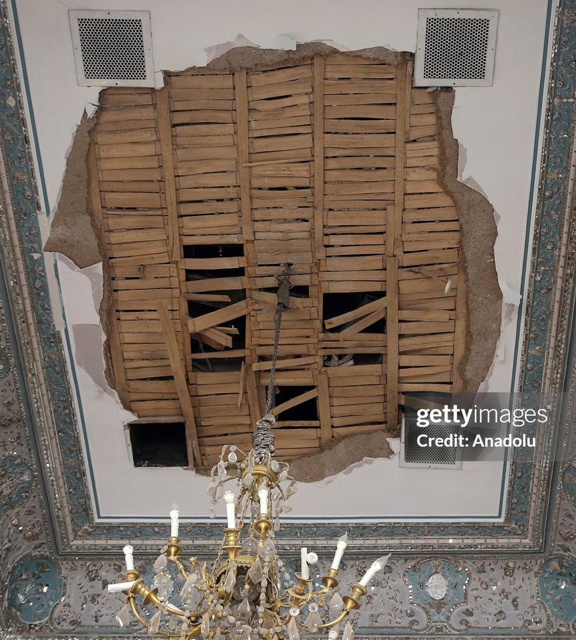
Rather than being defined by destruction alone, the palace complex illustrates how physical spaces can survive political rupture while undergoing profound symbolic change. Beyond its political and cultural transformation, the story of Saadabad Palace can also be understood through the lens of memory and identity. In modern Tehran, the complex occupies a unique position—simultaneously a reminder of a contested past and a functioning part of the country’s cultural present.
Visitors walking through its halls encounter not just preserved rooms and artifacts, but also an ongoing dialogue about how history is remembered and interpreted. For many, Saadabad represents contrasting emotions. To some, it recalls a period of modernization and international engagement under the Pahlavi Era. To others, it symbolizes inequality, authoritarian rule, and the social tensions that contributed to the Revolution of 1979. This duality has influenced how the site is presented to the public, with exhibitions often balancing historical preservation with critical interpretation.