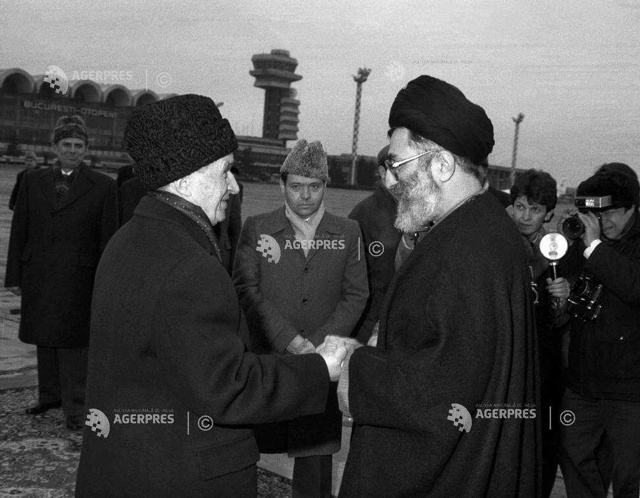
From Dictatorship to Democracy

After the war, as Romania fell under Soviet influence, Ceaușescu steadily rose through party ranks, aided by his reputation for loyalty and discipline. In 1965, following the death of Gheorghe Gheorghiu-Dej, he became the General Secretary of the Romanian Communist Party, effectively the country’s leader. At first, Ceaușescu gained international recognition for pursuing an independent foreign policy, especially by distancing Romania from Moscow’s direct control. His refusal to participate in the 1968 Soviet-led invasion of Czechoslovakia earned him praise in the West.

After the execution of Nicolae and Elena Ceaușescu, the National Salvation Front (NSF) took control. Though many in the NSF were former communists, the group promised democratic reforms and free elections. Ion Iliescu, a former Communist Party member, emerged as the dominant figure and was elected president in May 1990, amid protests and accusations of manipulated elections. Domestically, however, his rule became increasingly authoritarian.

Check Also

Celebrating Love at the Shelter

This special wedding ceremony will take place at the shelter—a place that symbolizes compassion, community, …

Privacy Policy