From Dictatorship to Democracy

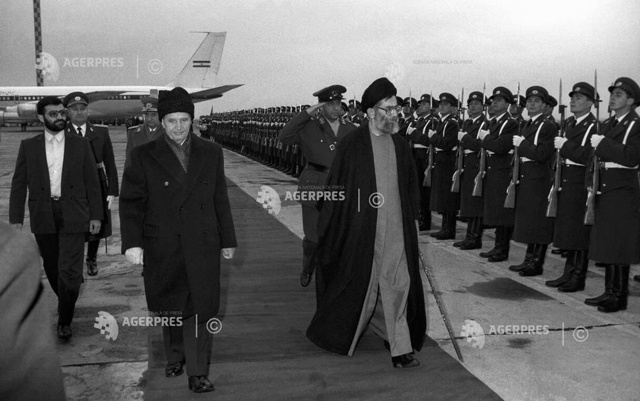
Ceaușescu built a personality cult, portraying himself and his wife, Elena Ceaușescu, as the “beloved leaders” of the nation. Massive portraits, speeches, and propaganda campaigns depicted them as the guardians of Romania’s future. Romania after the revolution is a country transformed—no longer under dictatorship, but still grappling with the legacy of its past. It has made substantial strides in democracy, economic modernization, and international integration. But the revolution’s promise remains a work in progress, visible in every protest, policy debate, and new generation seeking to reshape their future.

The National Anticorruption Directorate (DNA) has continued high-profile investigations, though political interference is still a concern. Public outcry and civil society pressure have kept transparency and judicial independence on the national agenda. The EU still monitors Romania through the Cooperation and Verification Mechanism (CVM), though progress in reforms has moved Romania closer to full Schengen accession.

Check Also

Satire in Literature

A satirist is a writer, artist, or performer who uses satire to criticize or expose …

Privacy Policy