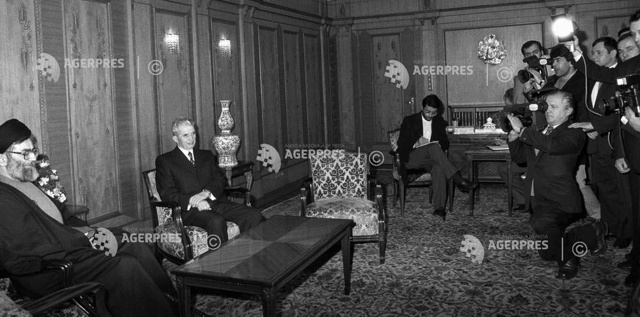
Ceaușescu’s regime relied heavily on the Securitate, one of the most feared secret police forces in Eastern Europe. Surveillance, censorship, and intimidation were widespread. Dissent was brutally suppressed, and thousands of Romanians suffered imprisonment, exile, or worse for opposing the government. By the late 1980s, Ceaușescu’s popularity had collapsed. His policies created widespread poverty and resentment. In December 1989, amid the wave of revolutions sweeping Eastern Europe, protests broke out in the city of Timișoara and spread nationwide.
Young Romanians are more connected to Europe, digitally fluent, and politically engaged. Movements advocating for climate action, gender equality, and minority rights are growing. The memory of 1989 is taught in schools and commemorated in media—but often seen as a historical event rather than a lived memory. Many young people, especially those abroad, express a desire to return and “rebuild the country”—a shift that could reverse decades of brain drain.