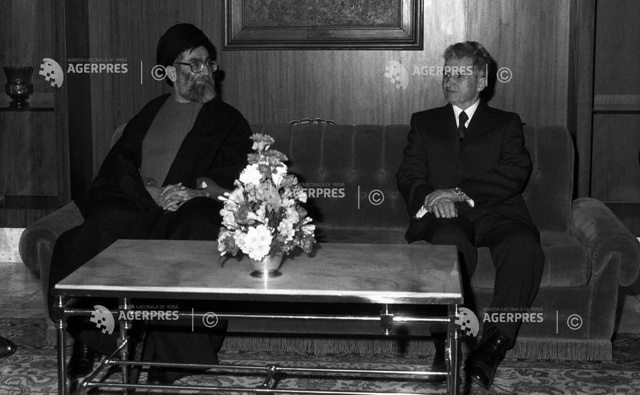
Ceaușescu attempted to maintain control with force, but his final public speech on December 21, 1989, was met with open defiance. Within days, the army turned against him. On December 25, 1989, Nicolae and Elena Ceaușescu were captured, hastily tried by a military tribunal, and executed by firing squad. Enduring symbols, such as the Palace of the Parliament, which stands both as a testament to his ambition and a reminder of the suffering endured by ordinary Romanians.
His early life was shaped by hardship and exposure to authoritarian systems. Arrested repeatedly for distributing communist propaganda, he spent years in prison, where he became close to influential communist leaders, including Gheorghe Gheorghiu-Dej. These prison years hardened his character and strengthened his ideological commitment. More than 35 years after the fall of Ceaușescu, the Romanian Revolution is no longer just a historical event—it is a benchmark. A measure of how far the country has come, and how far it still must go.