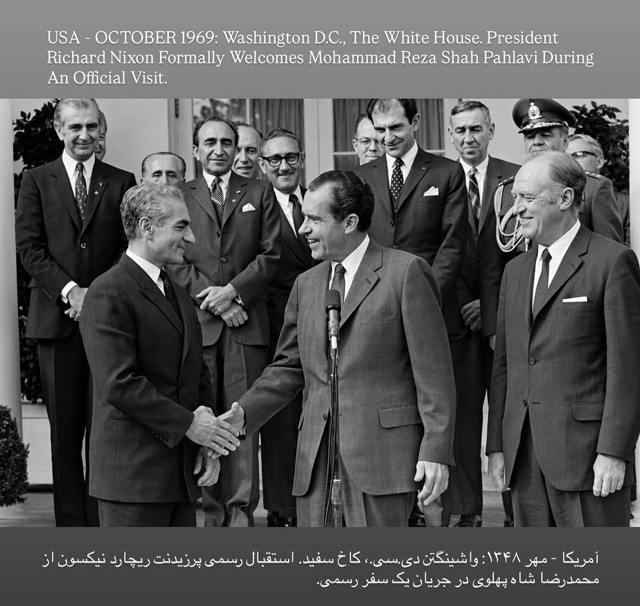
There is also a subtle shift that happens as figures like Nixon and the Shah move further into the past—they become less immediate, but more symbolic. They are no longer just individuals; they represent eras, ideologies, and turning points. This symbolic transformation allows grandchildren to engage with their stories in new ways, drawing parallels to contemporary leaders and current global challenges.
Yet symbolism can oversimplify. It risks flattening complex lives into easy narratives—hero or villain, success or failure. Resisting that simplification is part of the responsibility inherited by later generations. To understand Nixon and the Shah fully requires holding multiple truths at once: that they were products of their time, but also agents who shaped it; that their intentions may have been strategic or even visionary, while their outcomes remain contested.