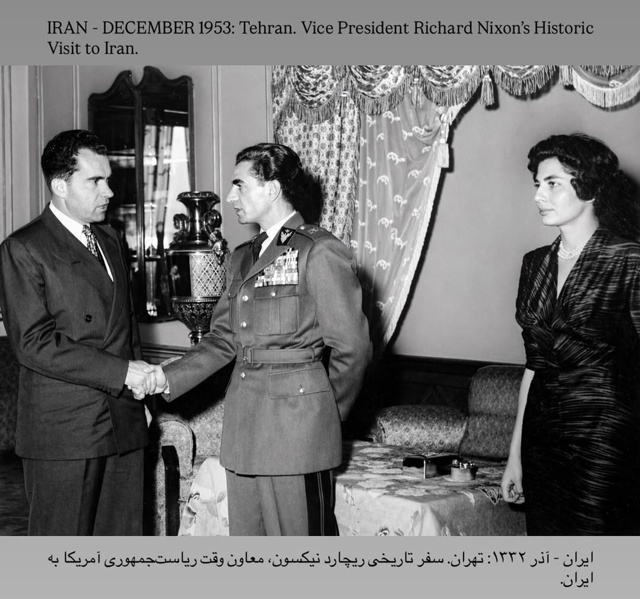
There is also a quieter, more human dimension to this generational reflection. Beyond the policies and politics were individuals who experienced doubt, fear, ambition, and regret. Imagining them not just as leaders but as aging men—grandfathers looking back on their lives—adds a layer of intimacy to history. What did they believe they had accomplished. What did they fear history would say about them. And how might they have hoped to be understood by those who came after.
These questions do not have simple answers, but they are essential. They remind us that history is not merely a record of events, but an ongoing dialogue between past and present. Each generation revisits the stories of those who came before, not to rewrite them entirely, but to find meaning within them. In that sense, the legacy of Nixon and the Shah is still unfolding. It lives in diplomatic strategies, in cultural memory, in the complex relationship between the United States, and in the minds of those who continue to ask what might have been done differently.