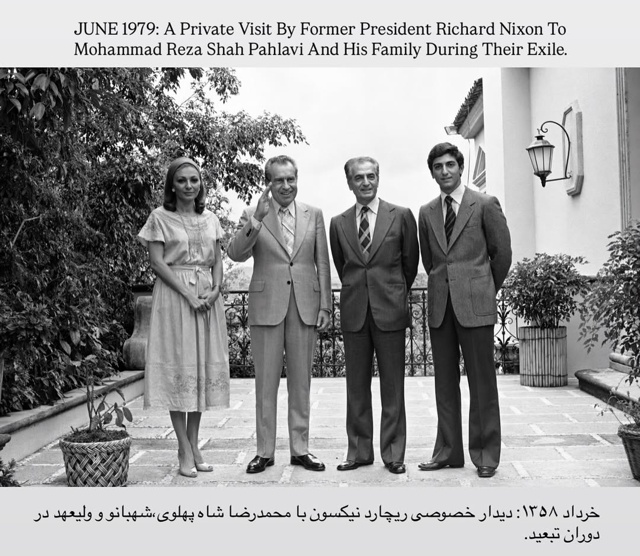
In this generational reflection is particularly complex. Many young people know the Shah’s era only through stories told by parents and grandparents—stories that can differ dramatically depending on personal experience. Some recall opportunity and openness; others remember repression and inequality. The result is not a single, unified memory, but a mosaic of perspectives that coexist and sometimes conflict.
In the United States, the distance is different but no less significant. Nixon’s legacy feeds into a broader skepticism toward political authority. His presidency, marked by both strategic achievements and deep controversy, becomes a reference point in discussions about trust, transparency, and the limits of executive power. Younger Americans, even those far removed from the events themselves, encounter his name as shorthand for both ambition and caution.