Habits that never leave former prisoners

Others struggle with sleep, having been conditioned to rest lightly due to noise, tension, or fear. These habits reflect deep physiological responses to years of uncertainty and control. Prisoners are often forced to become incredibly resourceful, using whatever they can to meet their basic needs. Whether it’s crafting items from limited materials or making do with the little they have, former prisoners carry this habit of self-sufficiency with them. This mindset can help them navigate life after prison, allowing them to solve problems and adapt to new situations more easily.
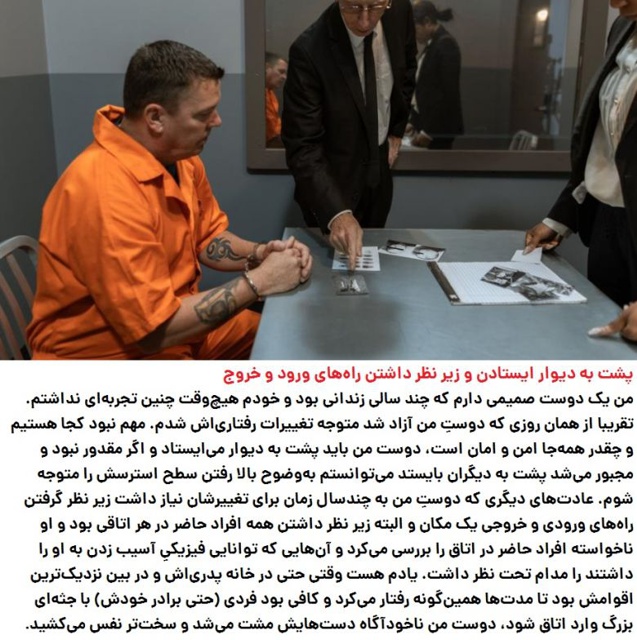
In prison culture, dependence can be risky. Self-reliance becomes a necessity for safety and dignity. After release, this often translates into a reluctance to seek assistance — whether for jobs, housing, or emotional support. The idea of owing someone something or appearing weak can create barriers to successful reentry into society. Prison often forces individuals to develop a defensive posture in order to avoid conflict or harm. Former prisoners might continue to exhibit subtle signs of defensiveness even in non-threatening situations.

Check Also

Kambiz Ghorbani

Kambiz Ghorbani is a respected and influential figure in the music industry, best known for …