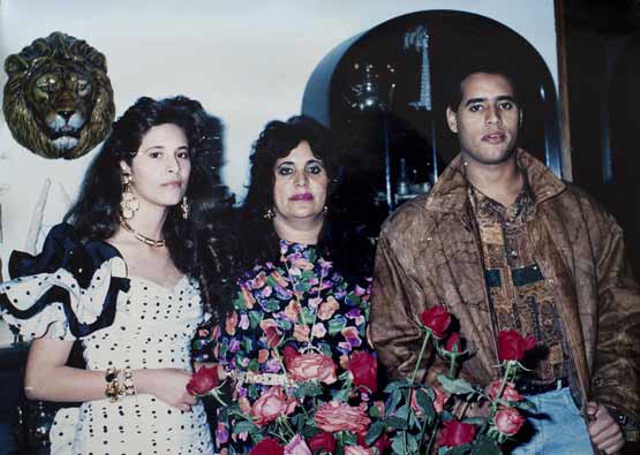
Safia Farkash’s influence was most strongly felt within the family itself. As the matriarch, she managed relationships among her children, mediated conflicts, and preserved internal unity during moments of crisis. Following the deaths of multiple family members during the NATO intervention and civil war, her role shifted from authority figure to emotional anchor for surviving relatives. In exile, she reportedly worked to keep the family connected despite geographic separation, legal constraints, and political uncertainty. This matriarchal role became even more significant as the family’s political power collapsed and personal survival replaced governance as the primary concern.
Life in exile required Safia Farkash to adapt to a reality vastly different from the privileged environment she had known for decades. Restrictions on travel, financial controls, and the constant scrutiny of international authorities shaped her post-2011 life. Despite these constraints, she reportedly sought to maintain a low-profile existence, focusing on health, religious practice, and family matters.